


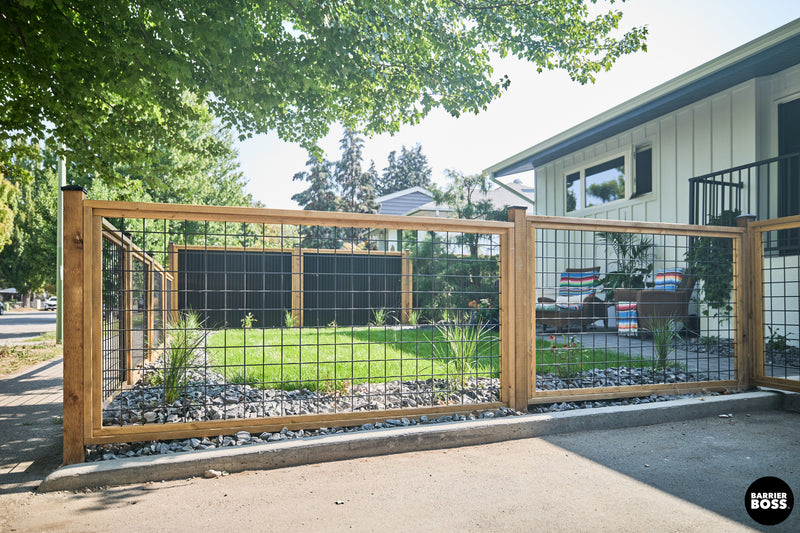
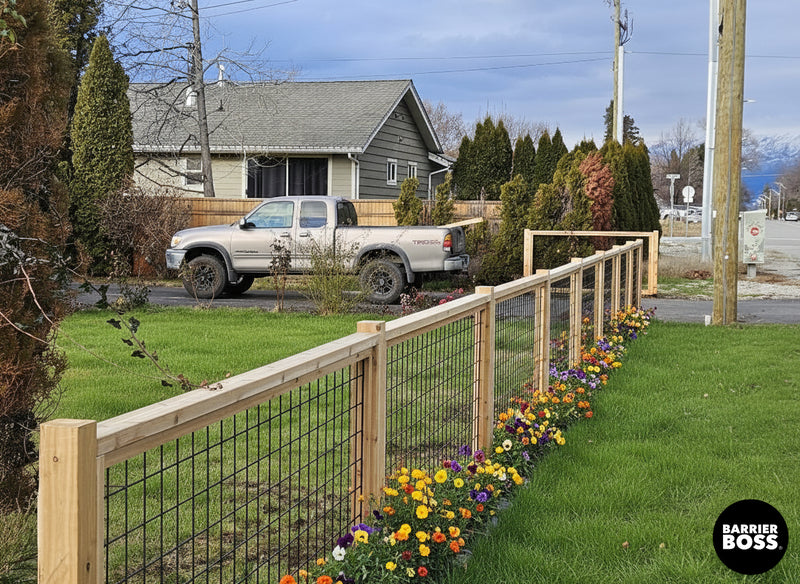
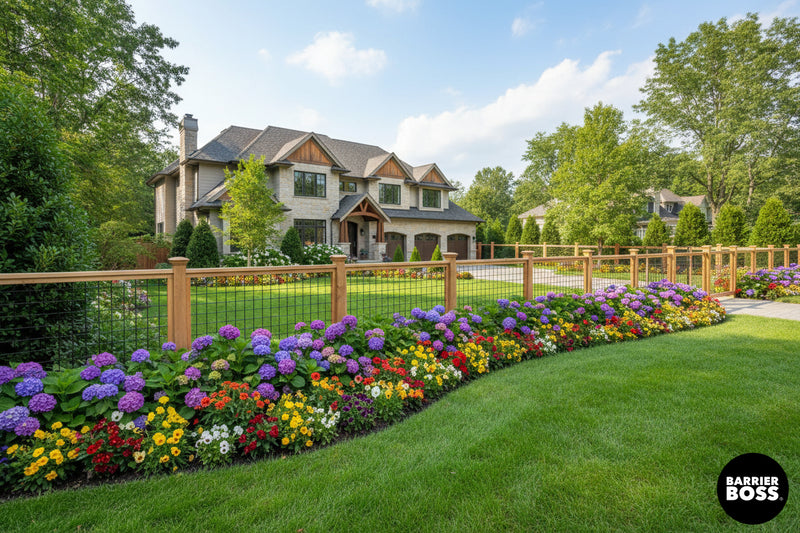
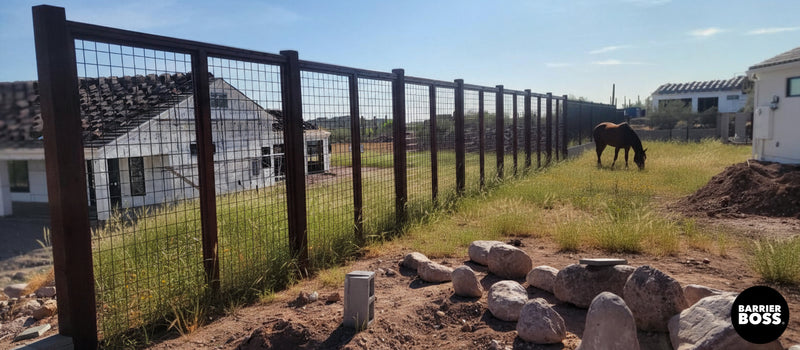
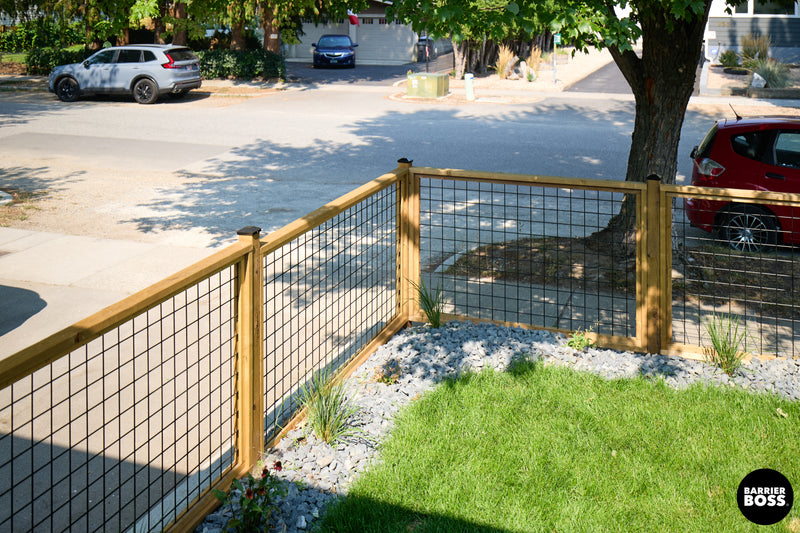
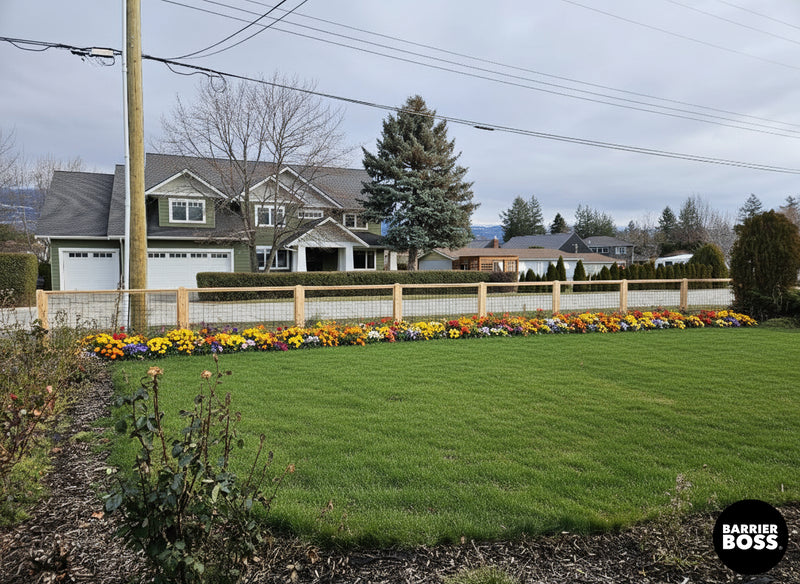
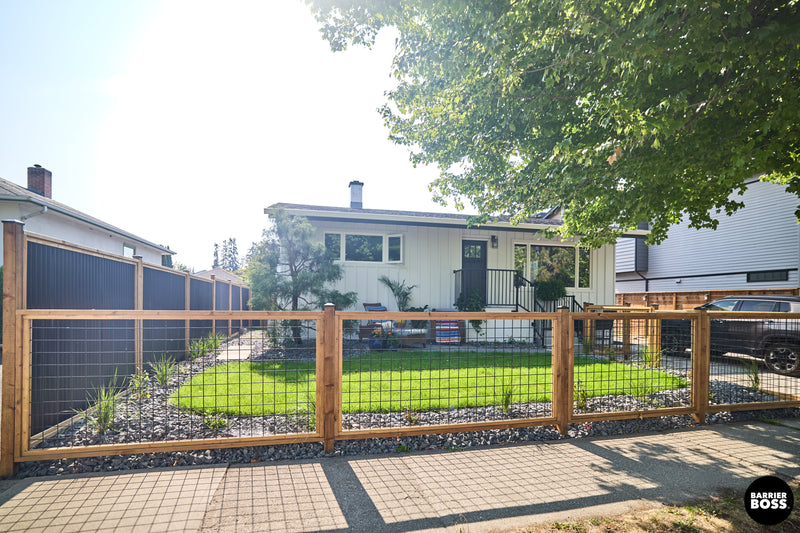
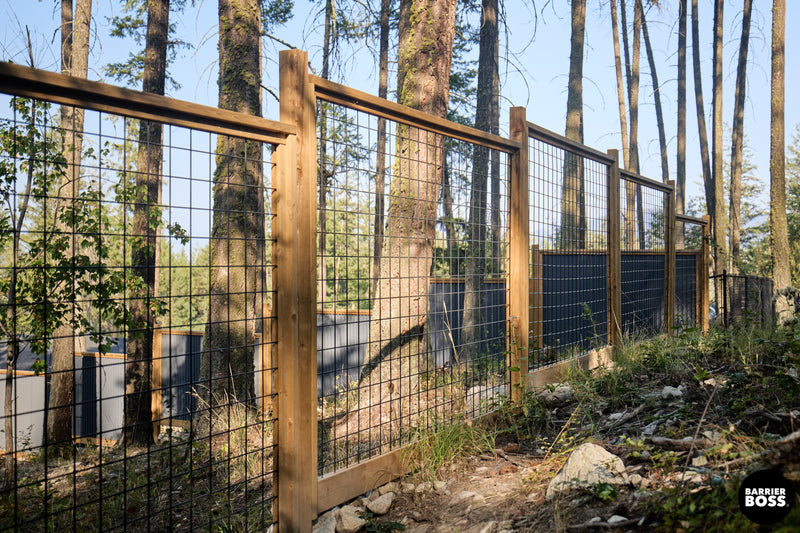
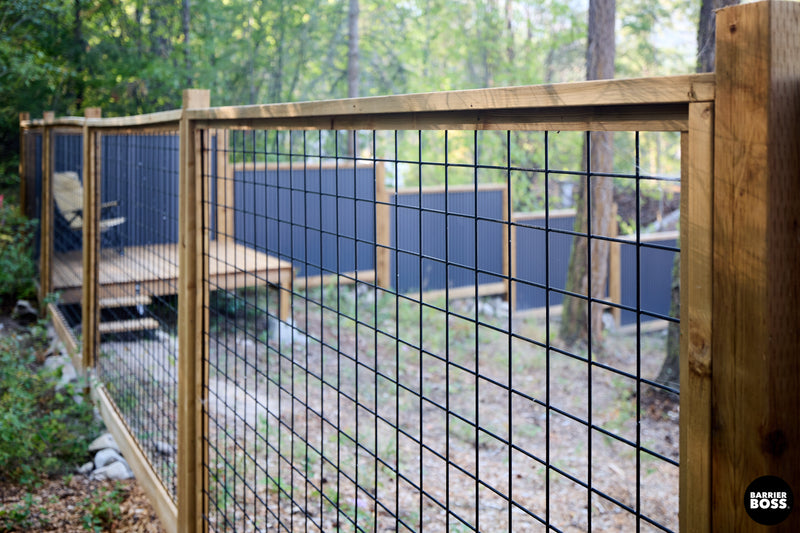
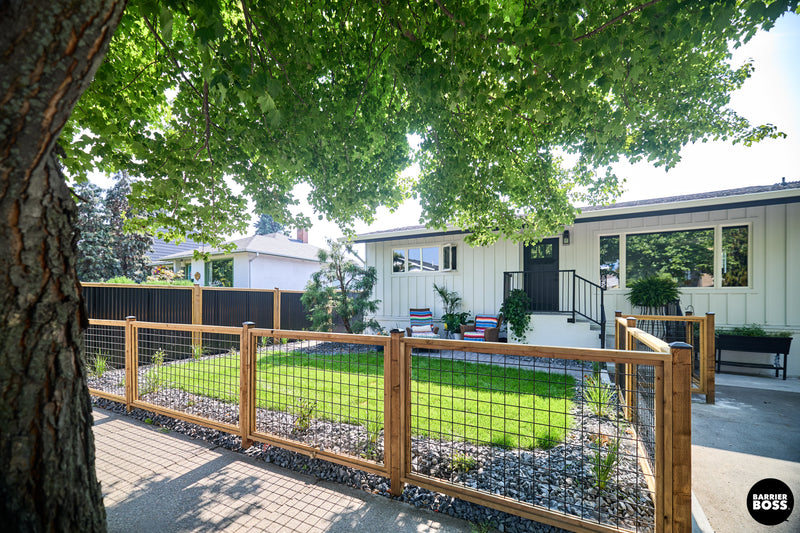
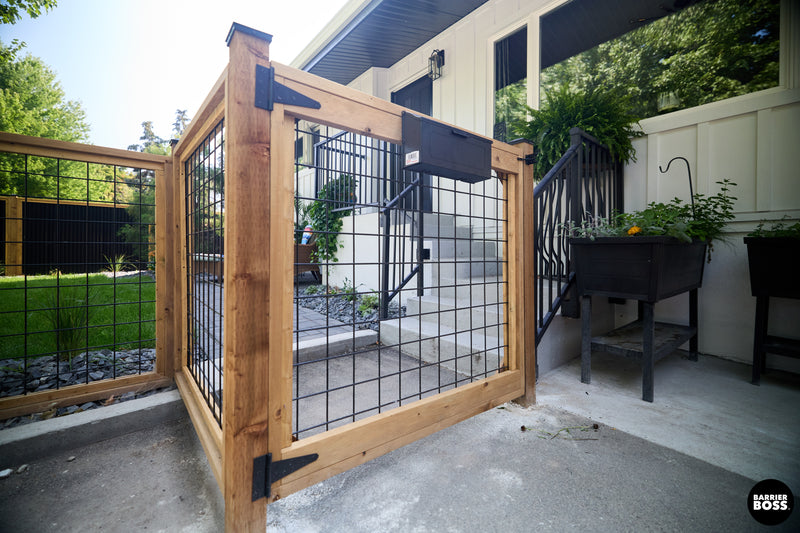
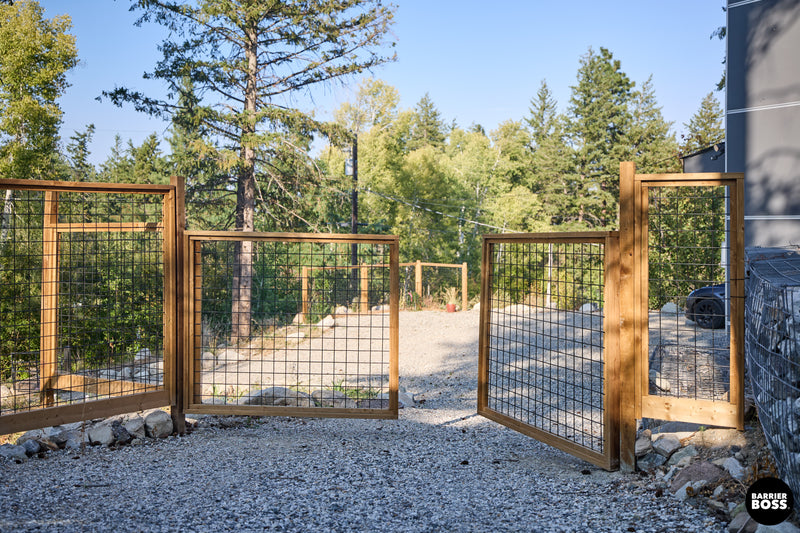
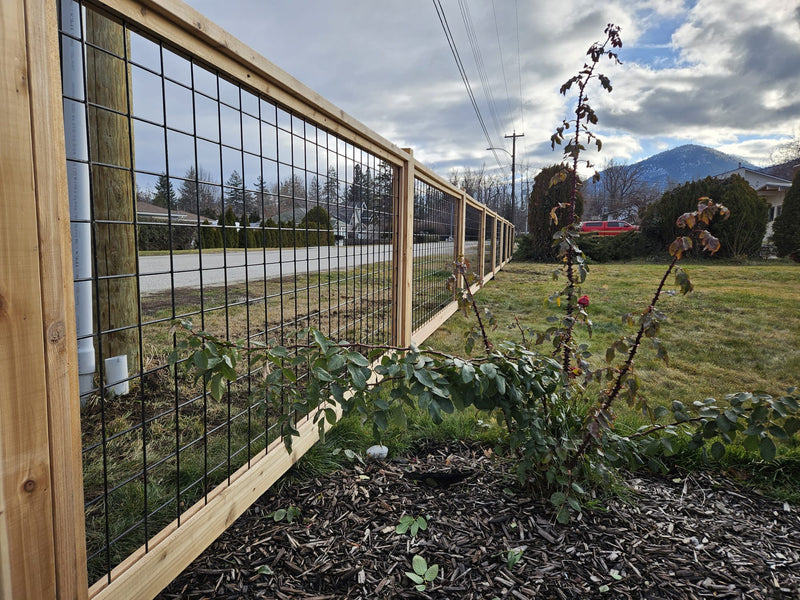
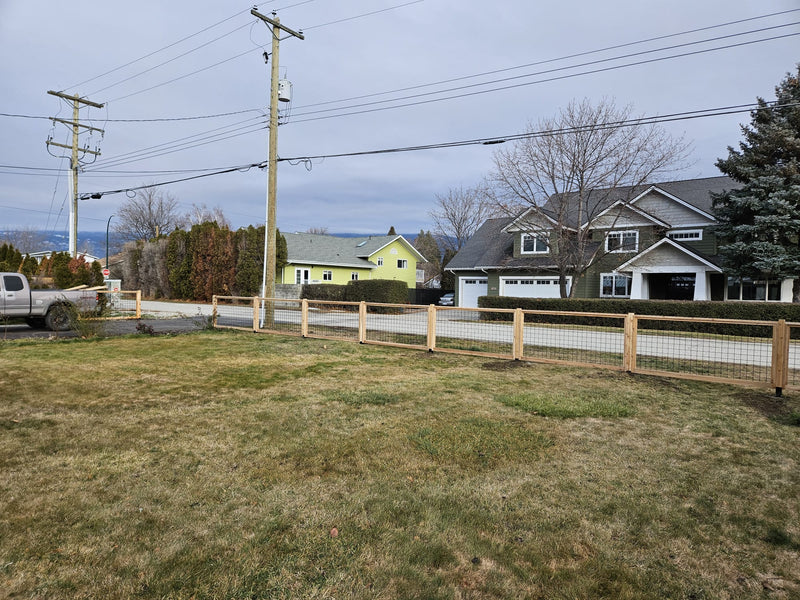
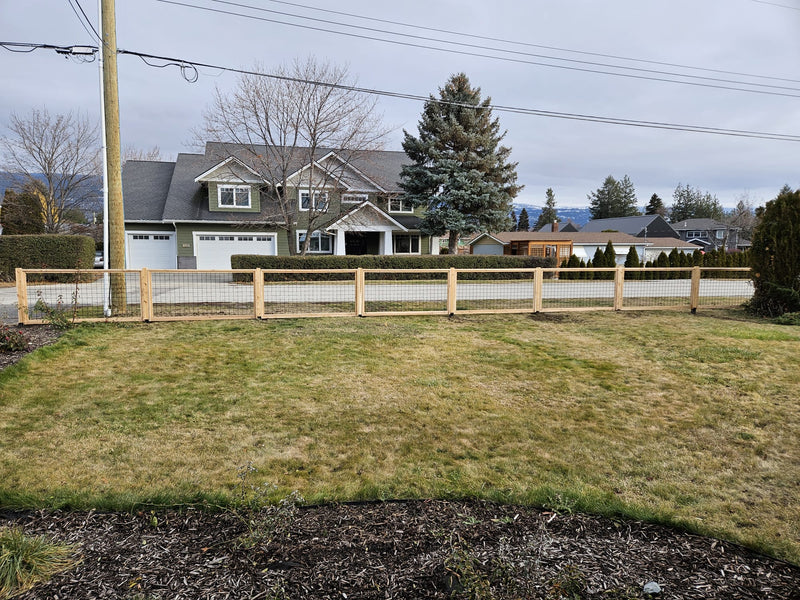
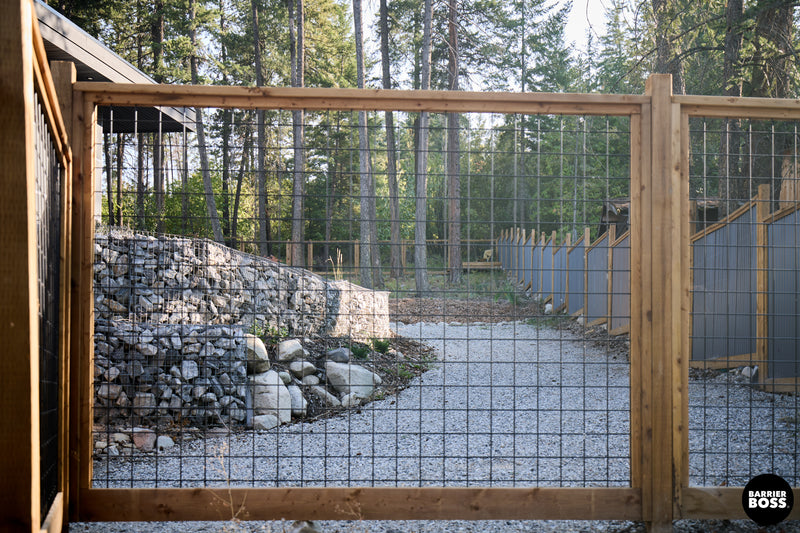
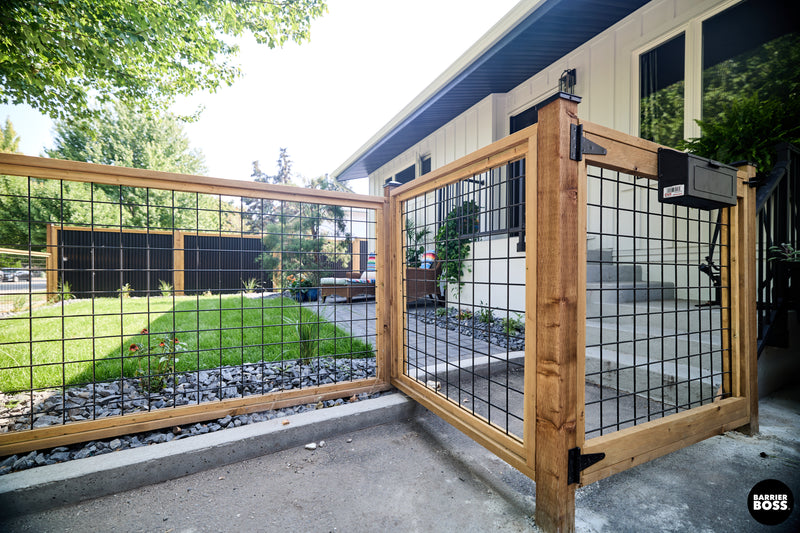
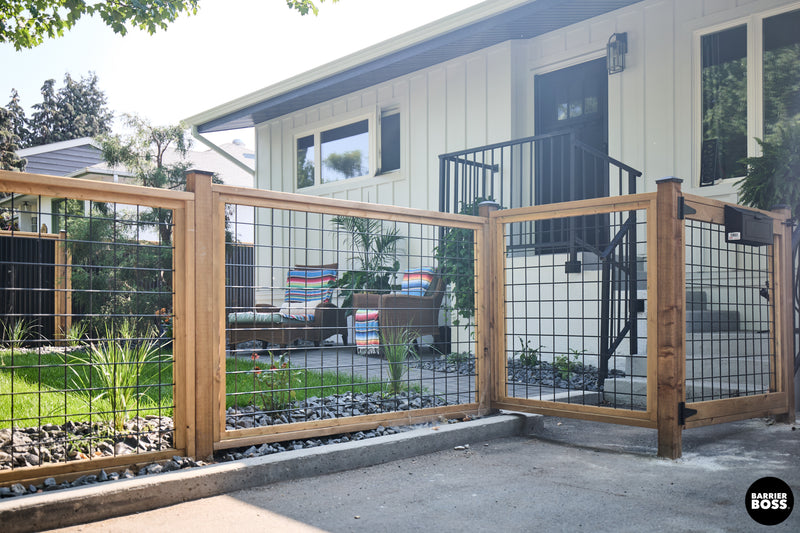
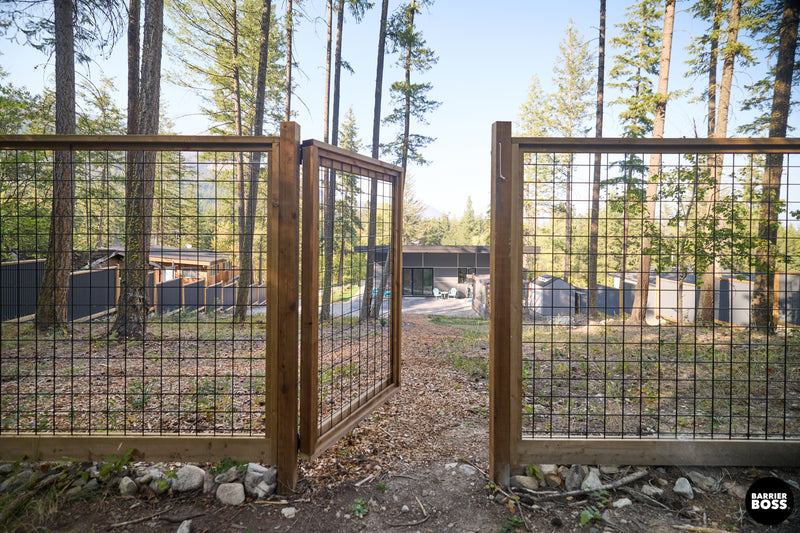
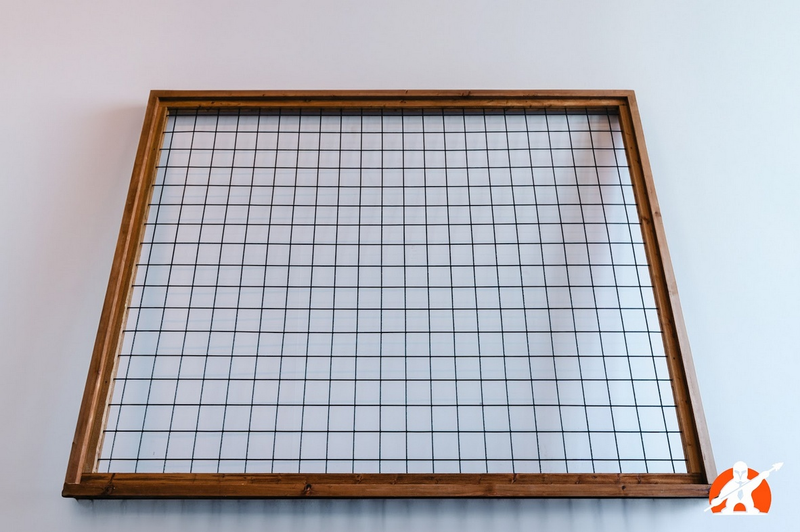
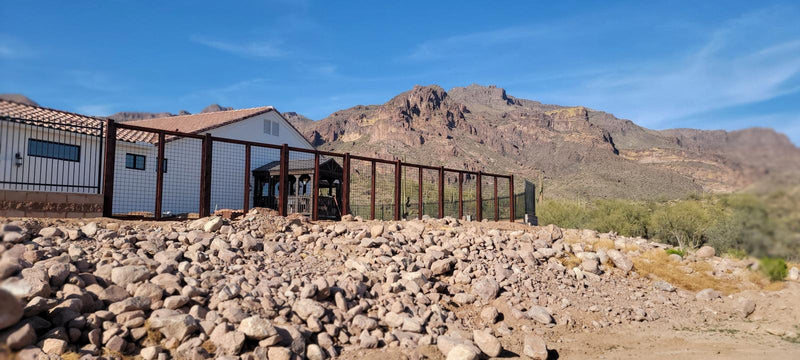
What makes BarrierBoss hog wire heavier than big-box panels?
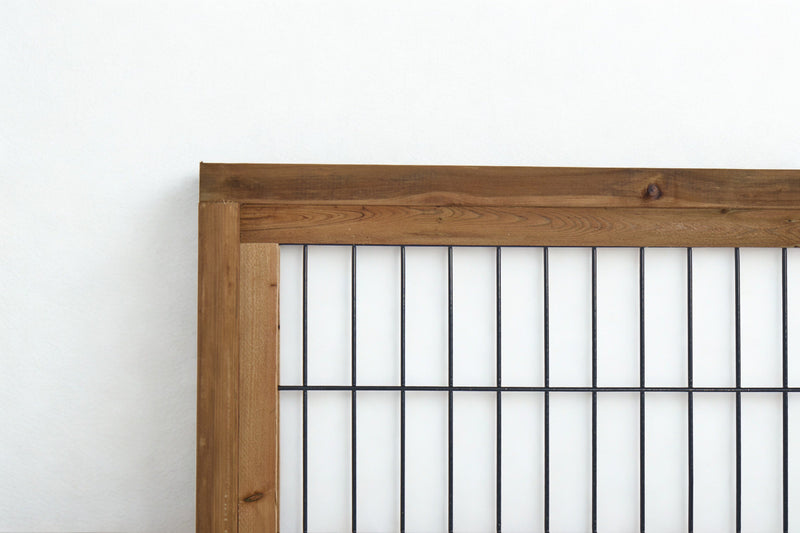
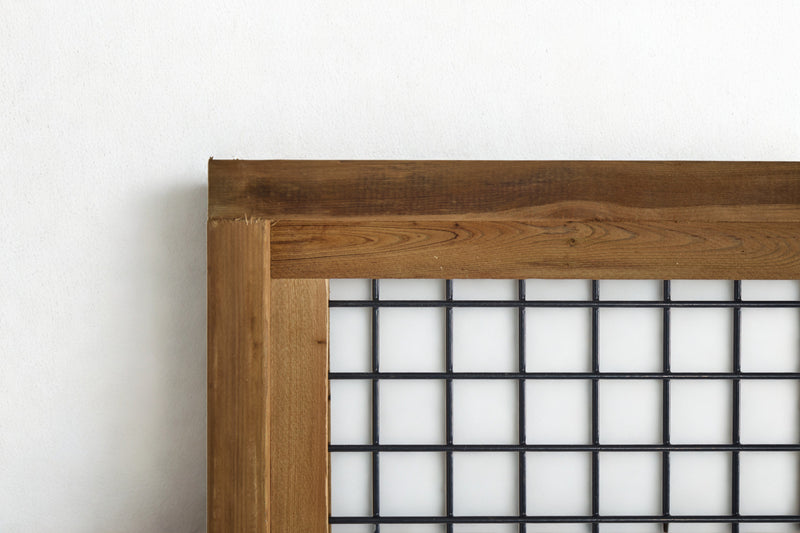
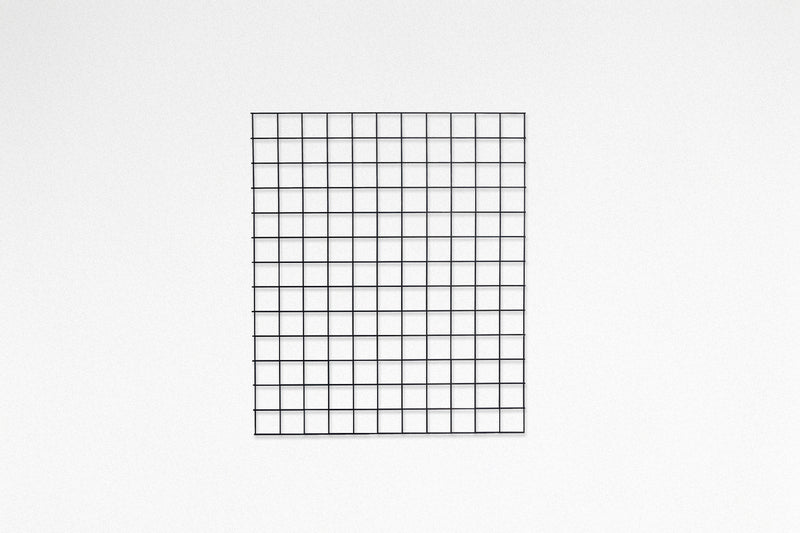
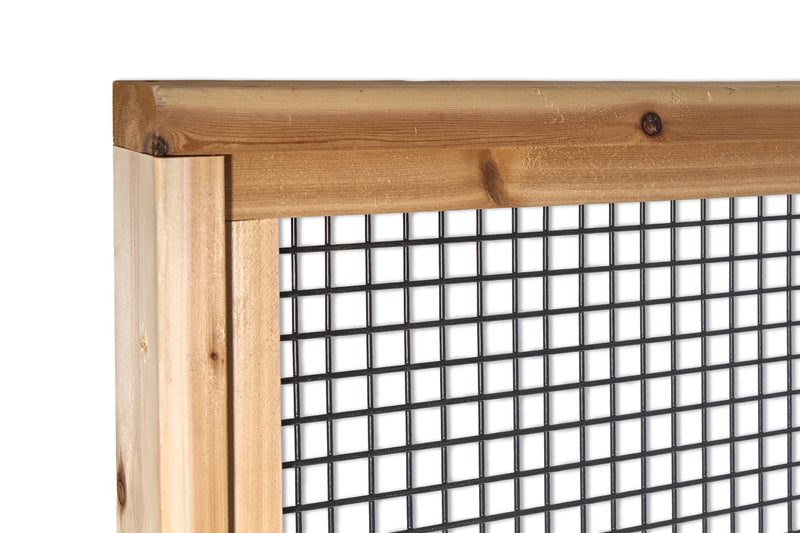
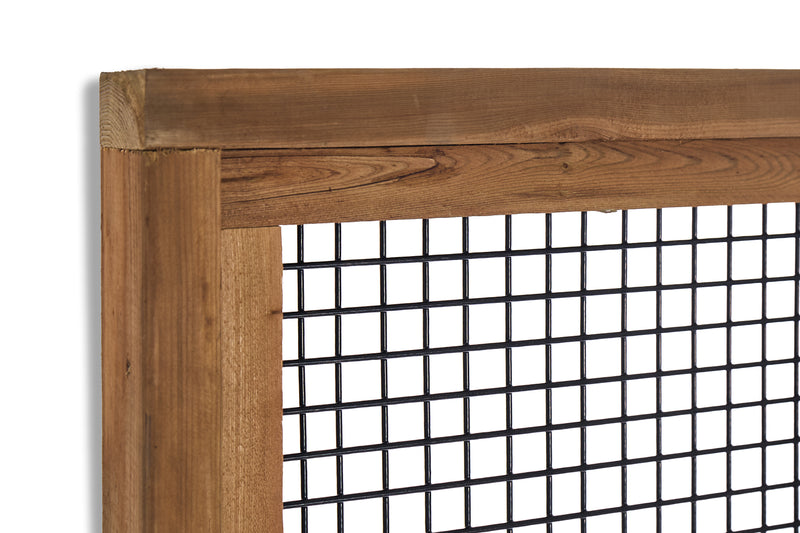
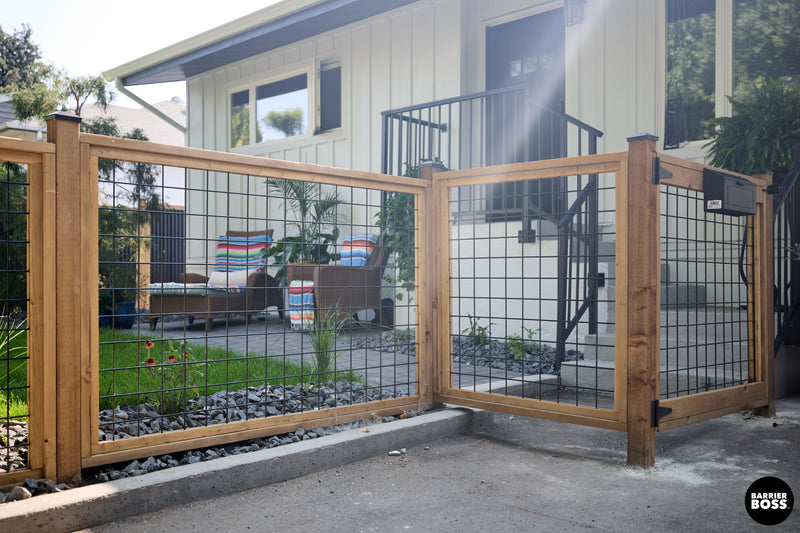
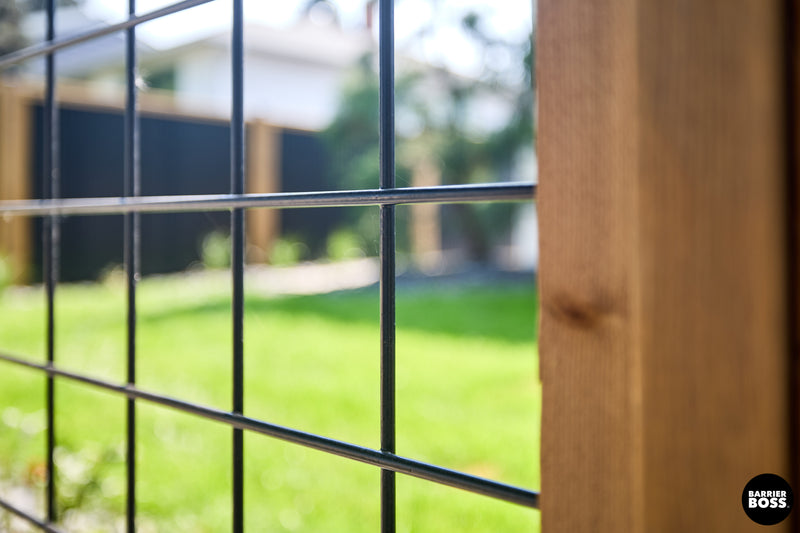
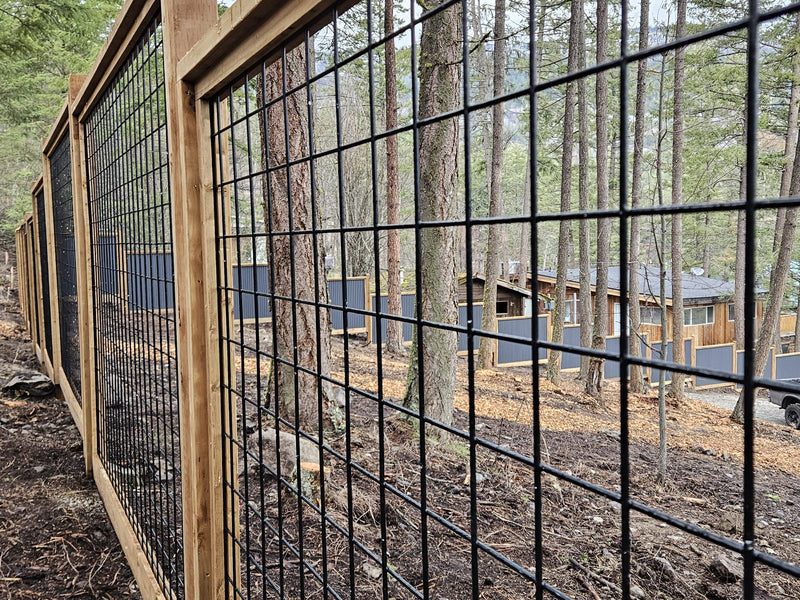
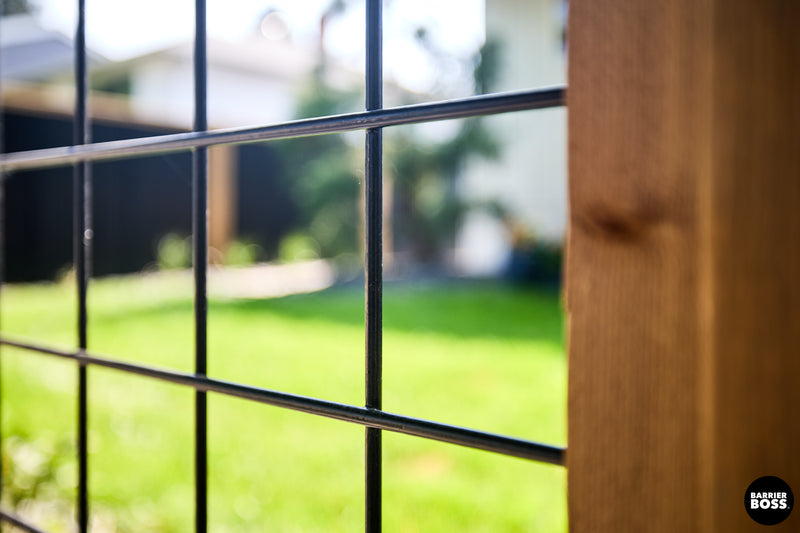
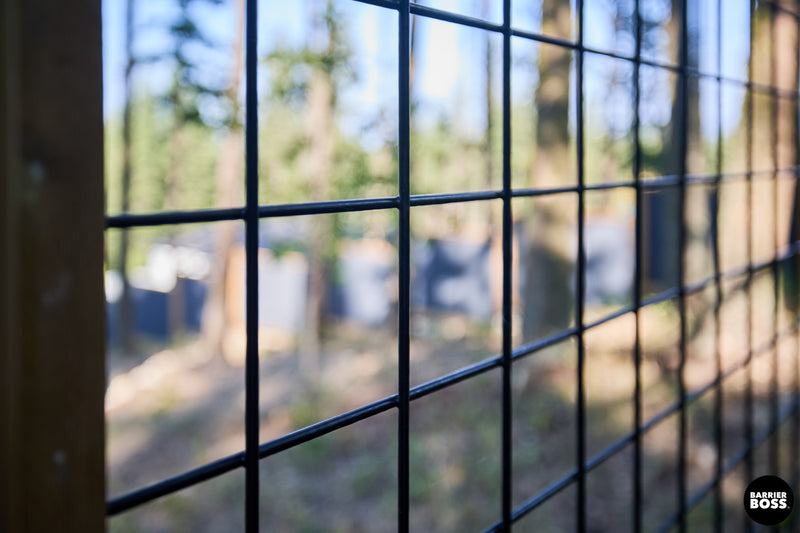
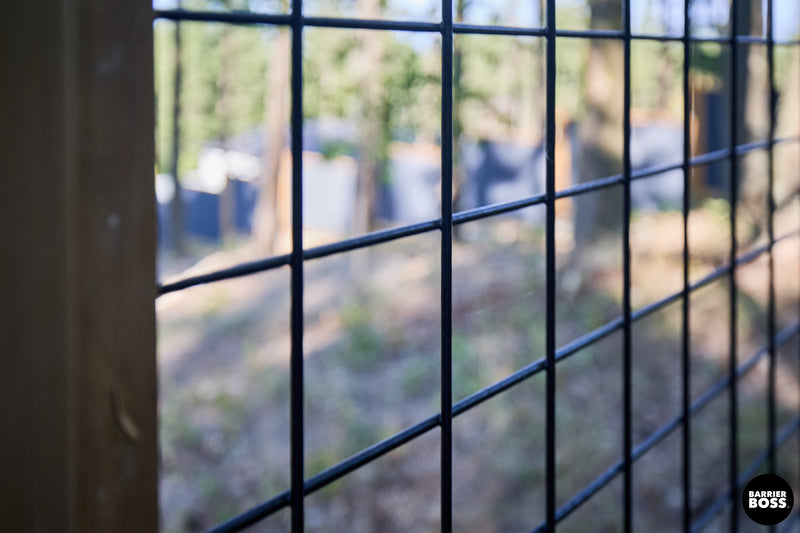
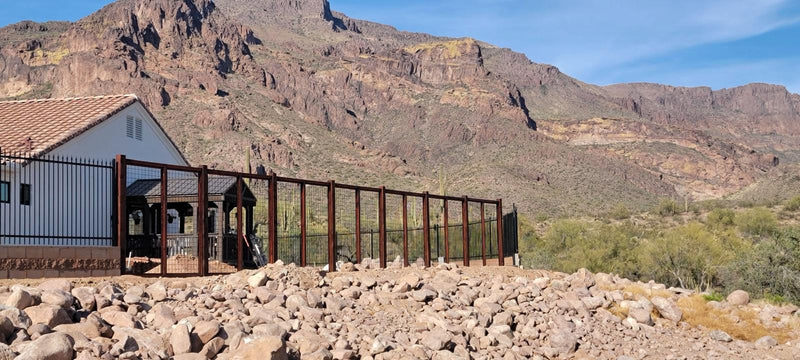
The welded mesh is 6-gauge (4.9 mm) wire — noticeably thicker than the 8–10-gauge panels sold at most home centers. It is dip-coated steel, not powder-coated, so the coating bonds into the welds where rust normally starts.
What colors and mesh sizes are available?
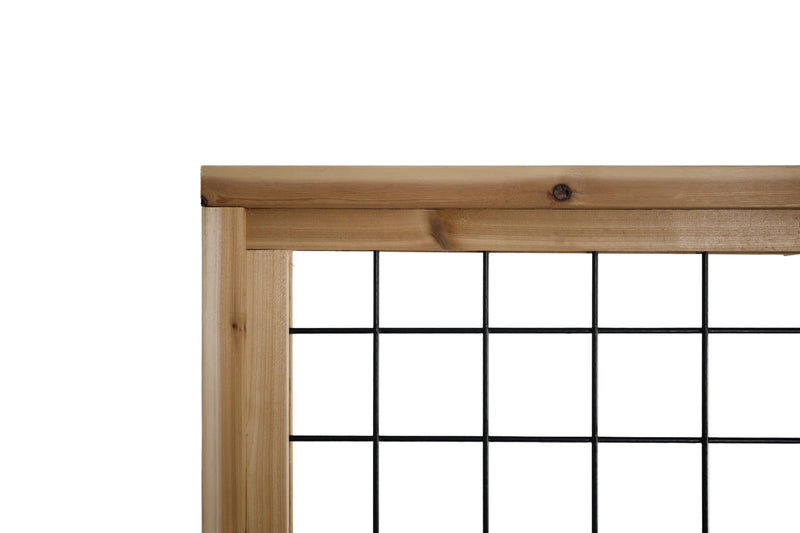
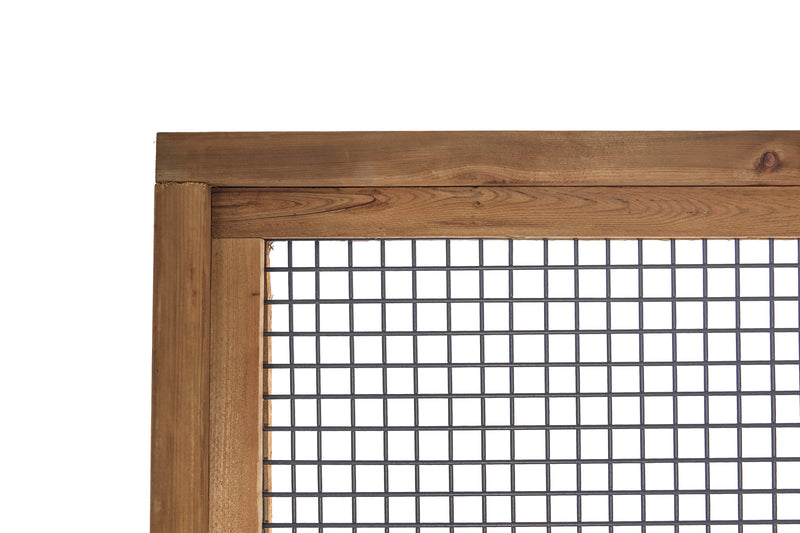
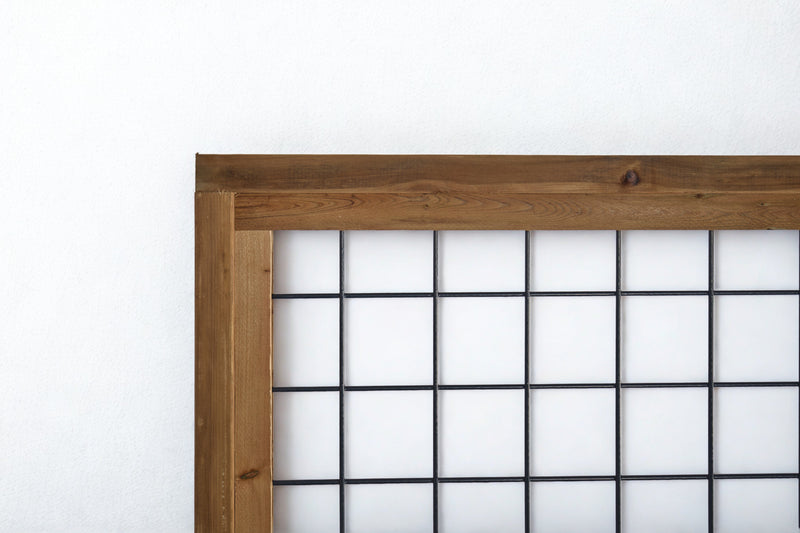
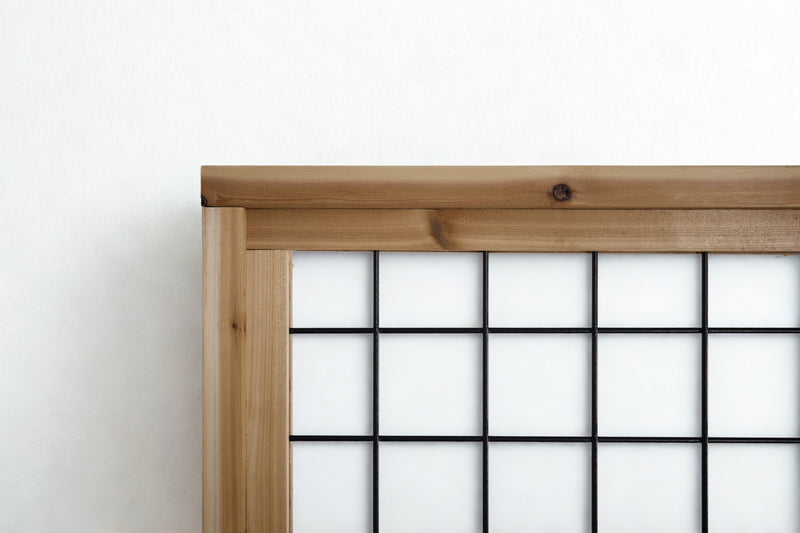
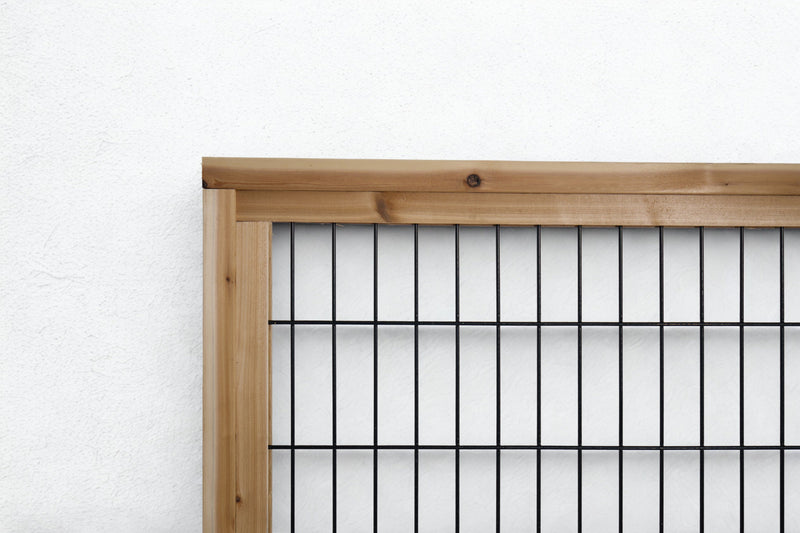
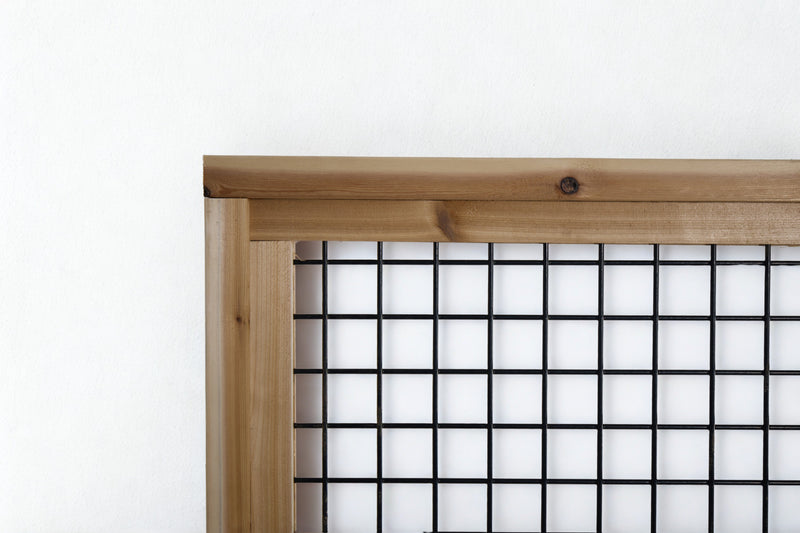
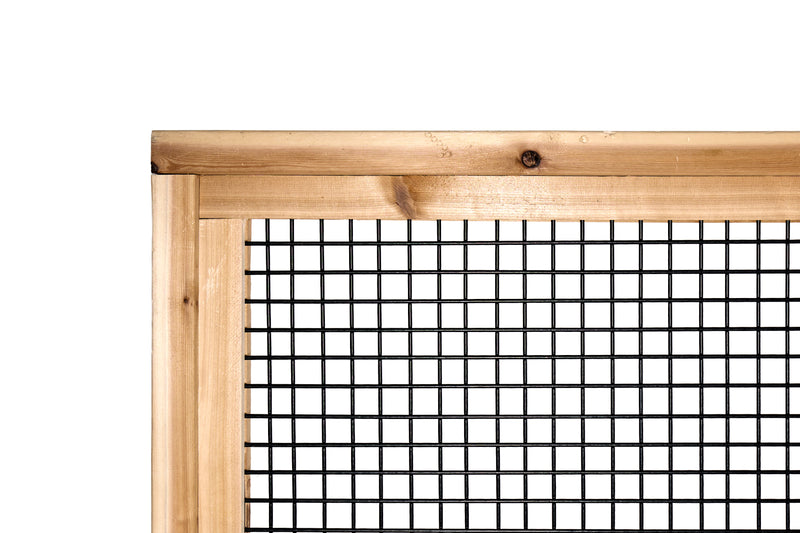
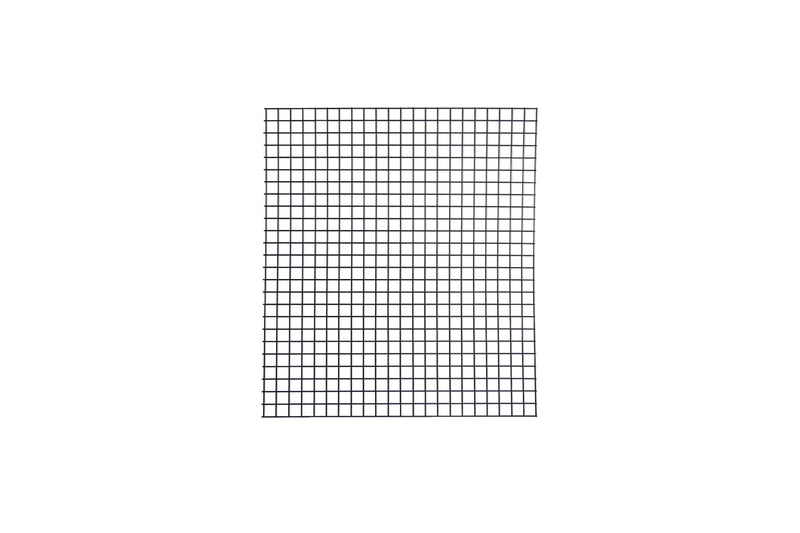
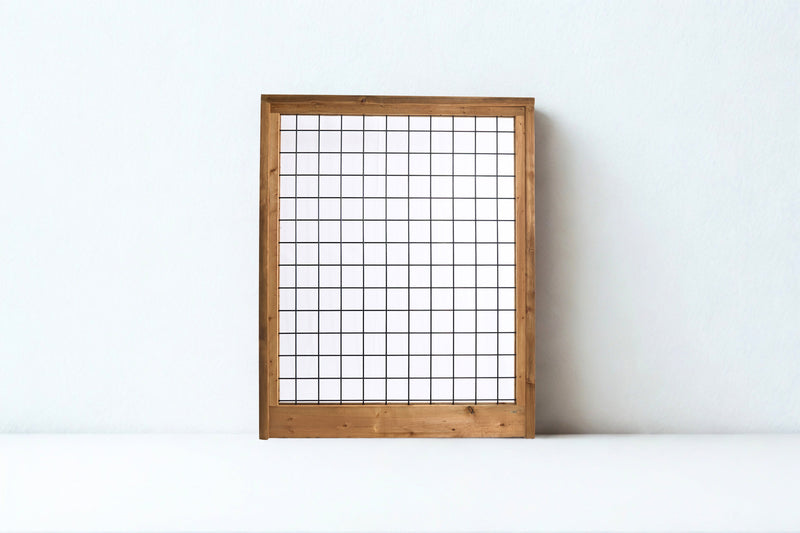
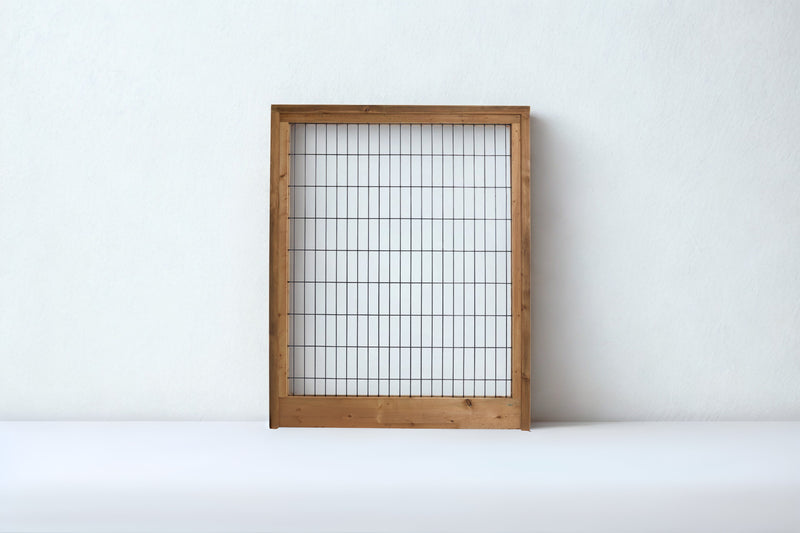
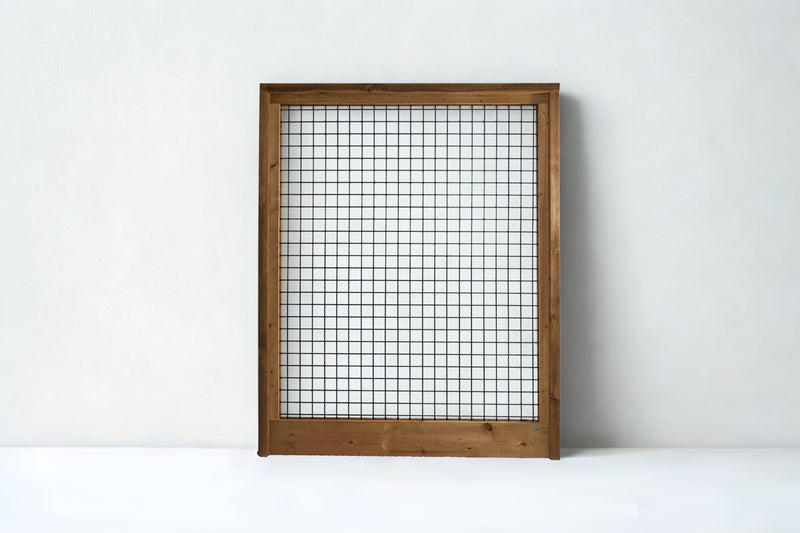
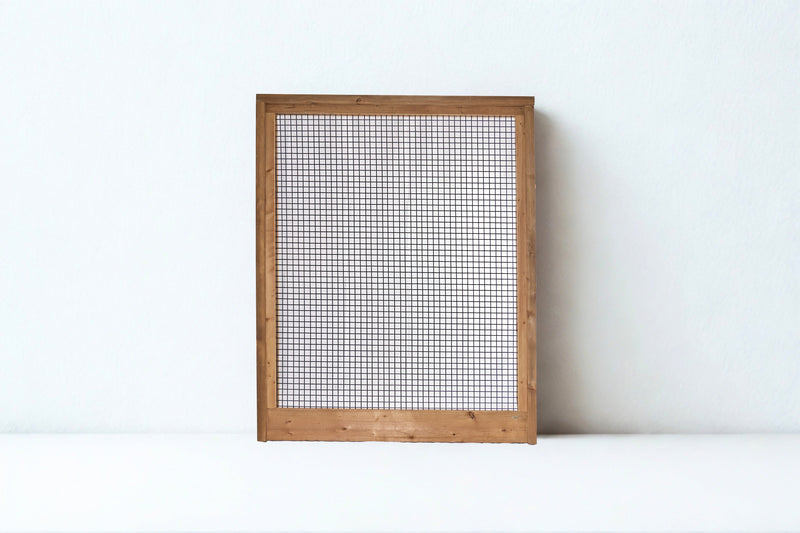
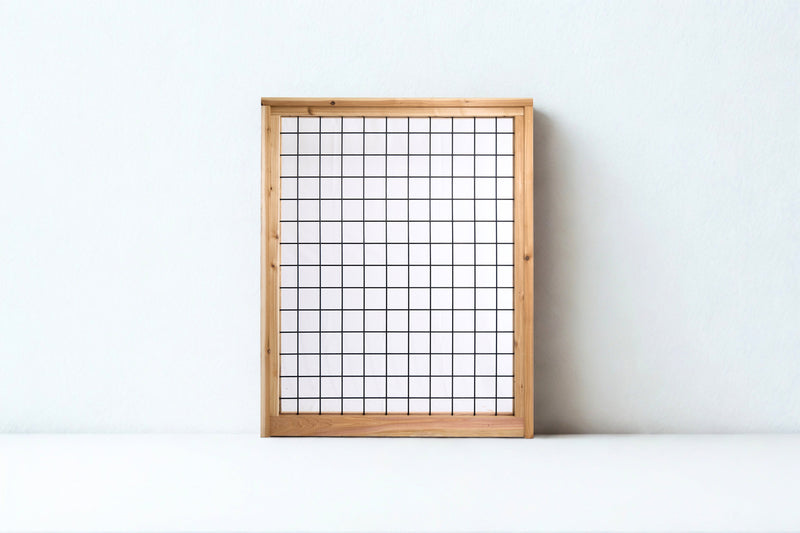
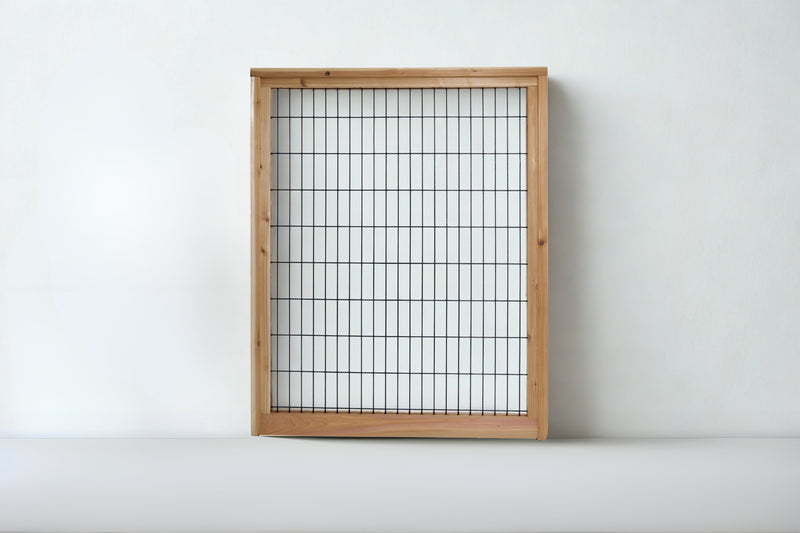
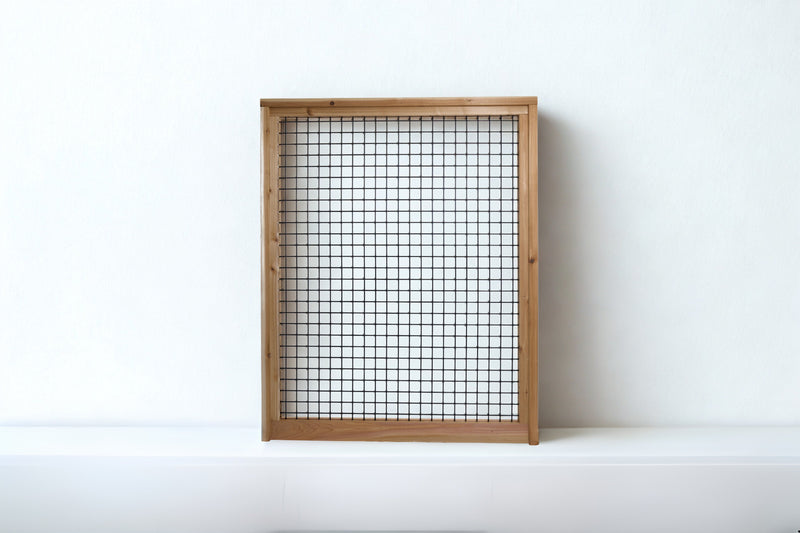
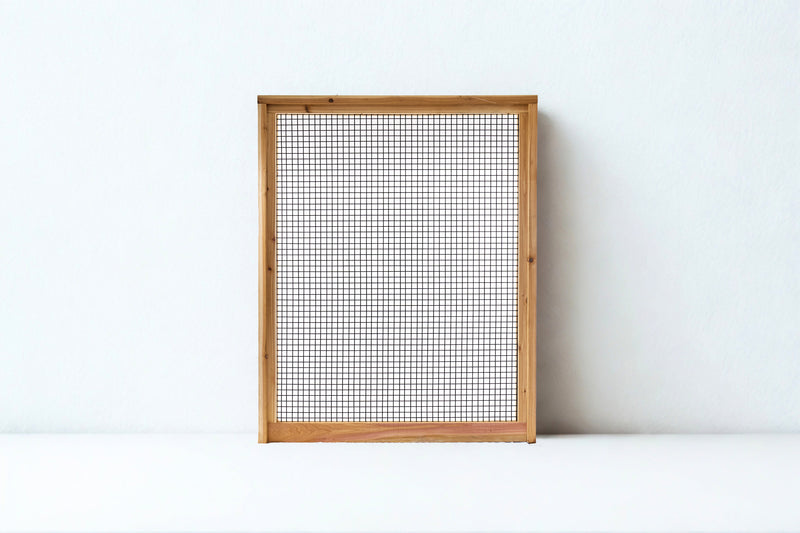
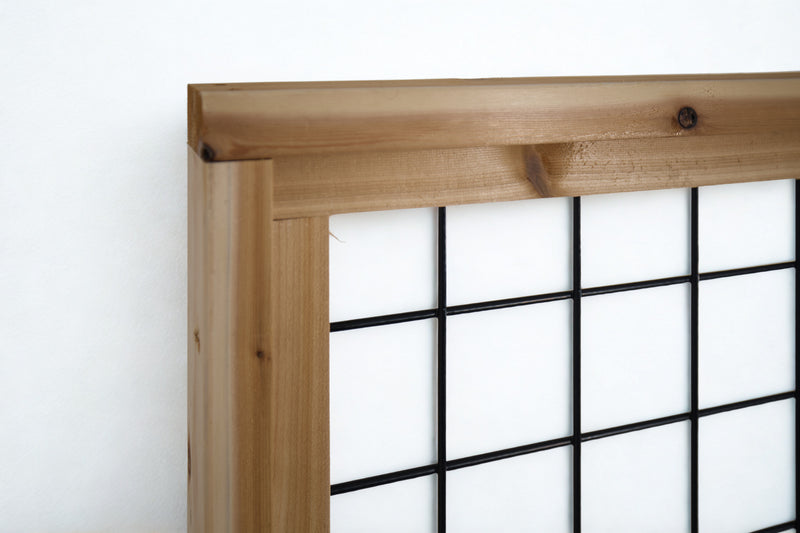
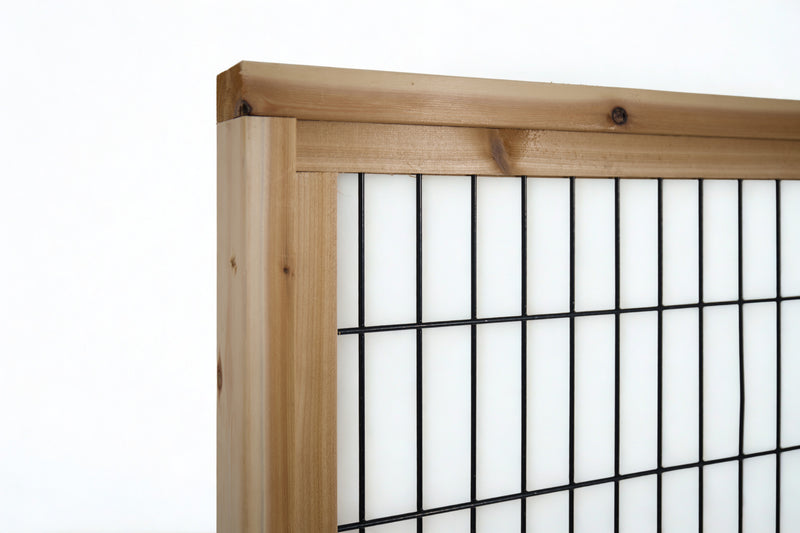
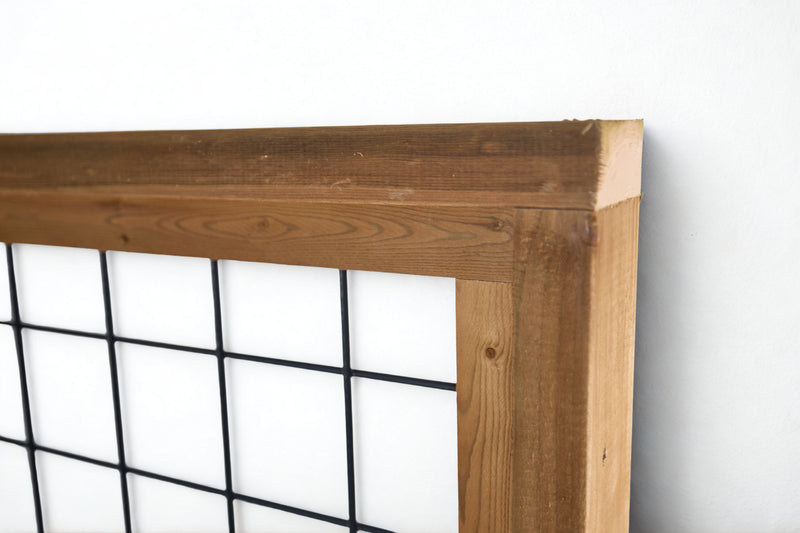
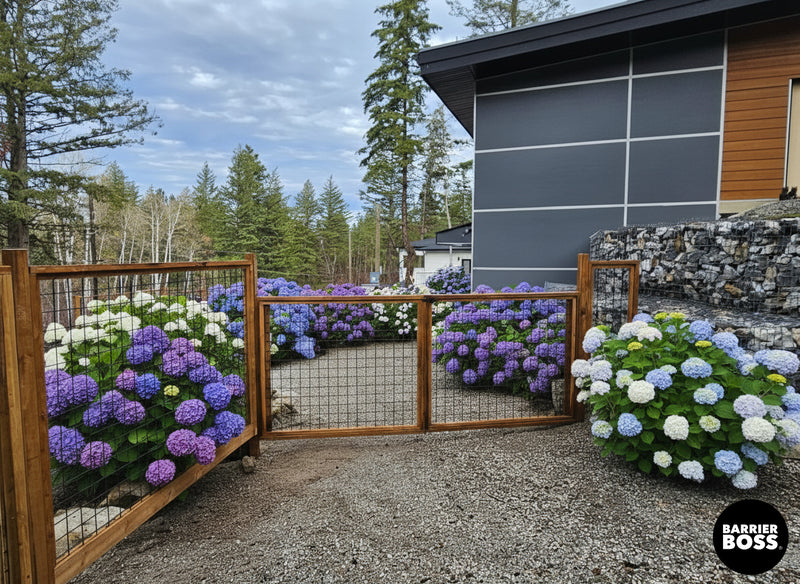
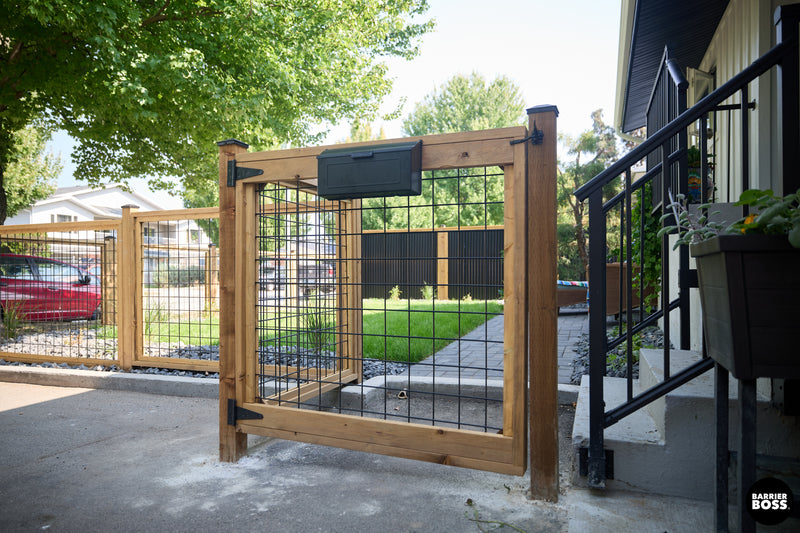
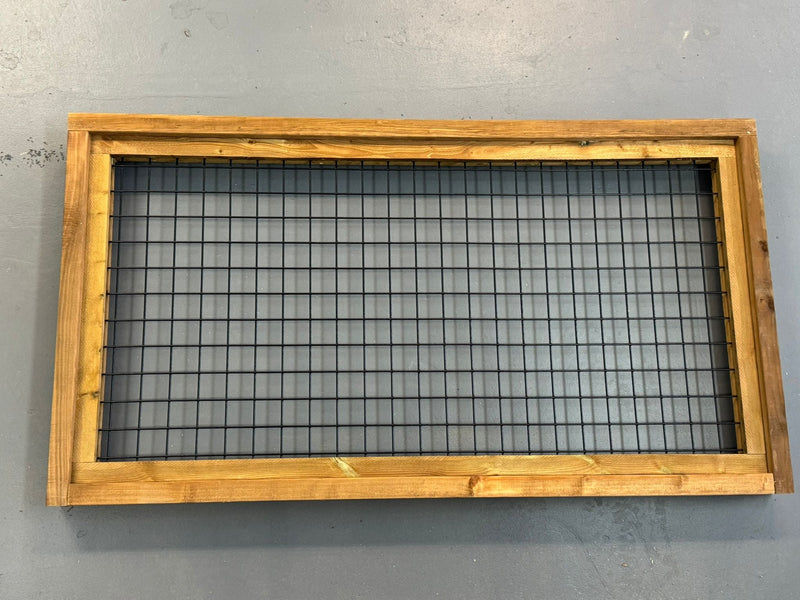
Dip-coated finishes in black, brown, silver, green and Corten, plus marine-grade 316 stainless for coastal builds. Mesh openings come in 2"×2" and 4"×4". Panels are sold framed (ready to mount) or unframed (loose infill for your own frame).
Framed or unframed hog wire — which do I need?
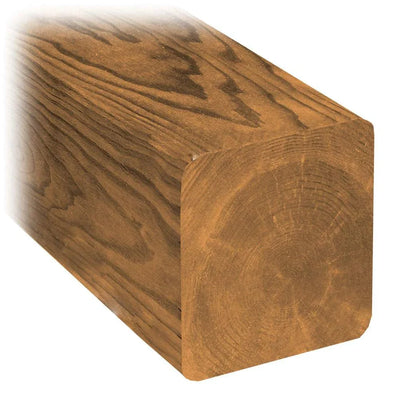
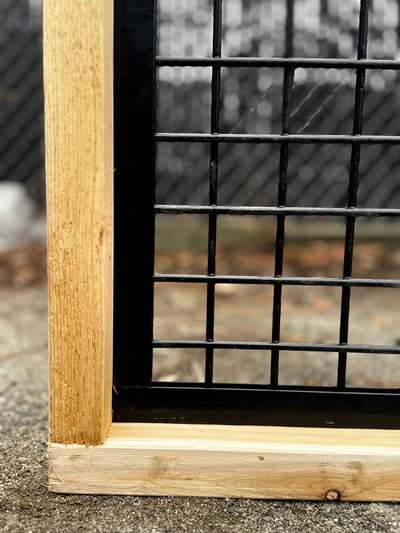
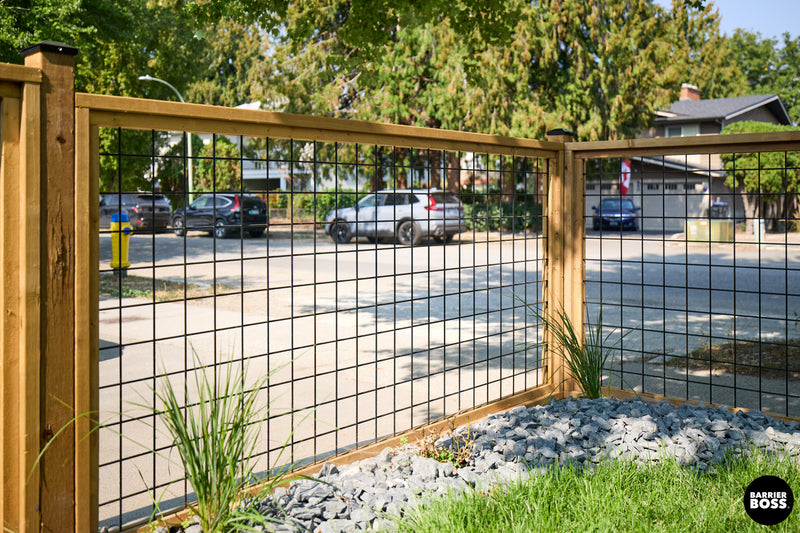
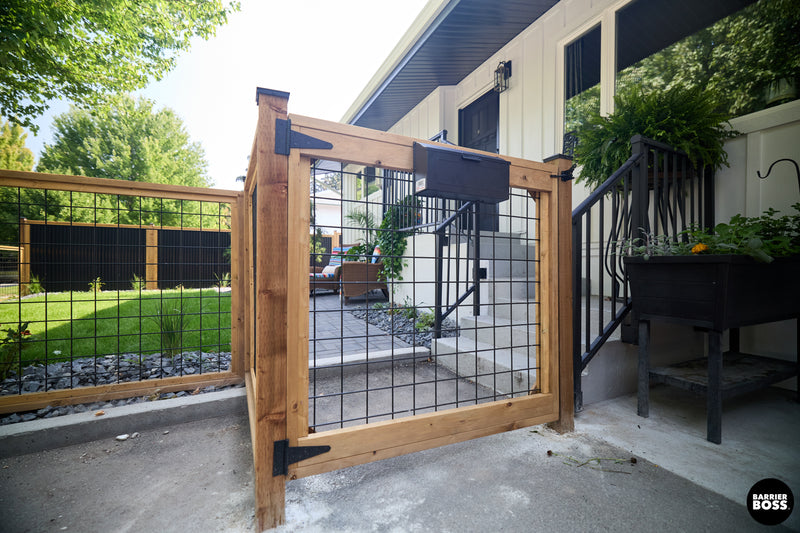
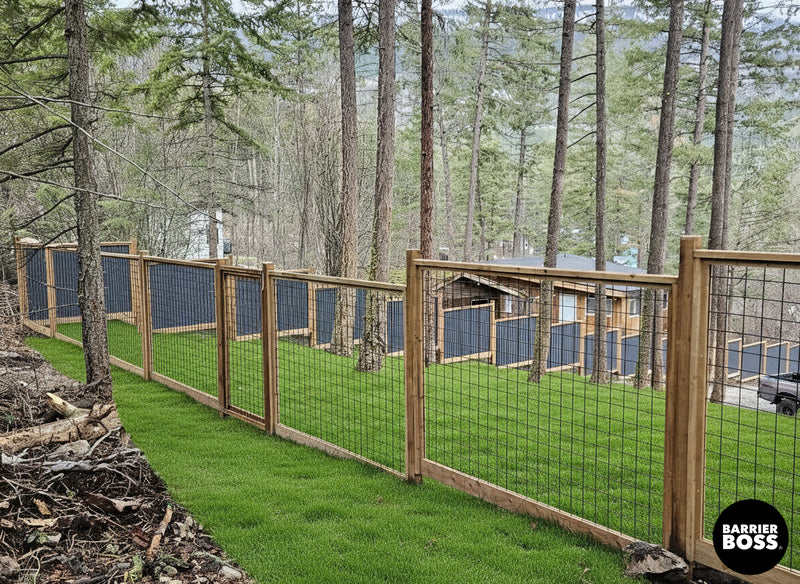
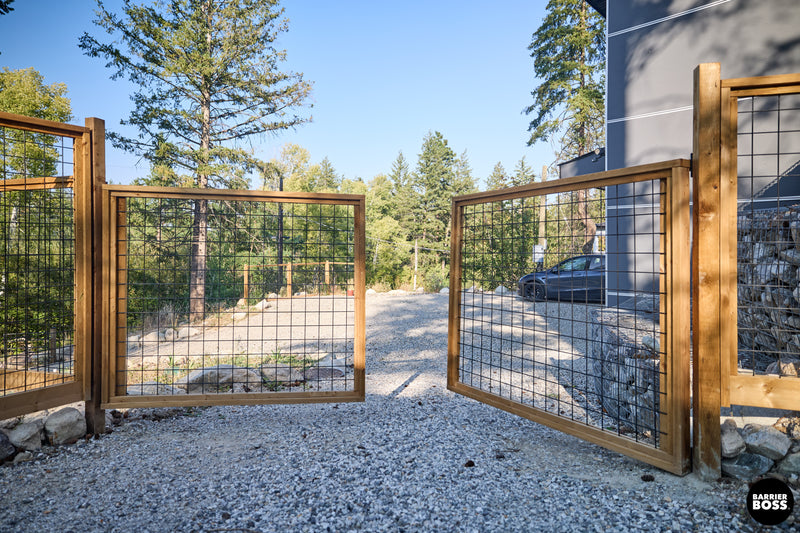
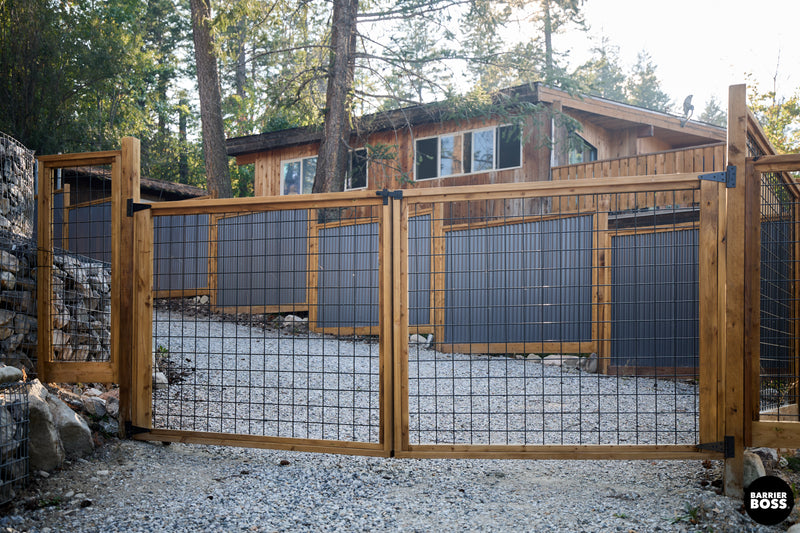
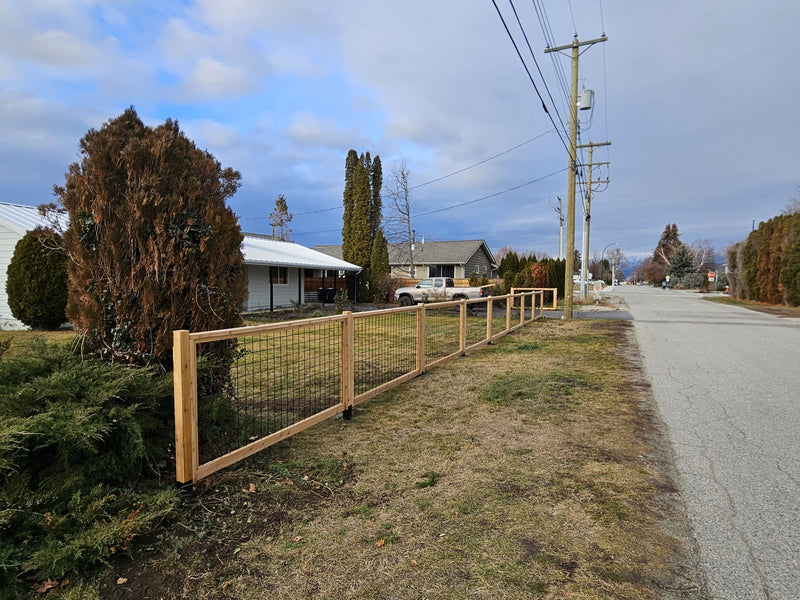
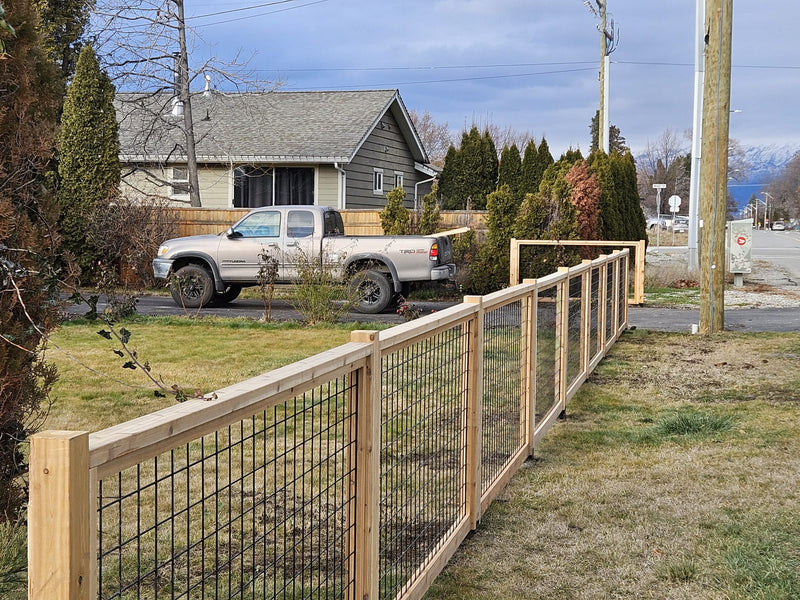
Unframed is $16.25 per linear foot at 6 feet tall; a cedar frame is $44.37. Unframed suits building your own frame. Framed arrives in a pressure-treated or Western Red Cedar frame, ready to hang between posts.
How fast do hog wire panels ship?
We deliver on our own trucks and unload on your property — no freight broker, no depot, no LTL terminal. In our Standard regions (Washington, Oregon, California, Colorado, Utah, Montana, Idaho, Wyoming, Arizona, New Mexico, Texas, Nevada and Oklahoma) unframed panels travel Loose Truck from $149 and framed panels travel Crane Truck from $199, each priced by your order total — about 2–4 weeks unframed and 4–6 weeks framed. Delivery is priced by your order total and is the same everywhere we deliver — Loose Truck $149 up to $449, Crane Truck $199 up to $499 — with no free-delivery tier. Outside those regions allow about 6–8 weeks. $500 order minimum. Your estimated delivered date is in the estimate box on this page.
Is hog wire fence good for dogs, livestock or deck railing?
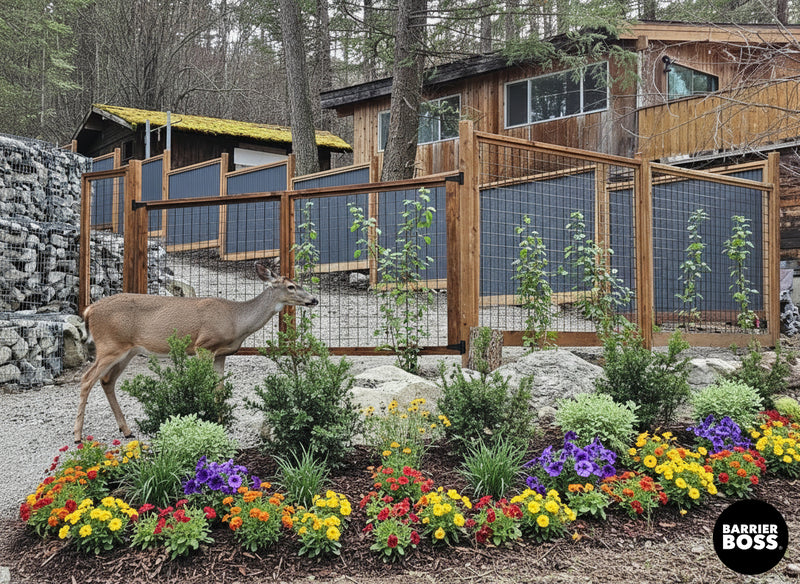
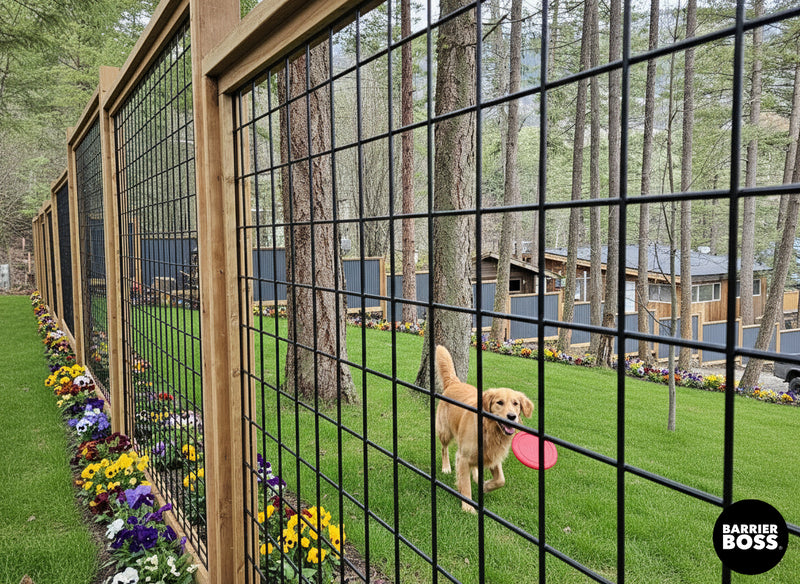
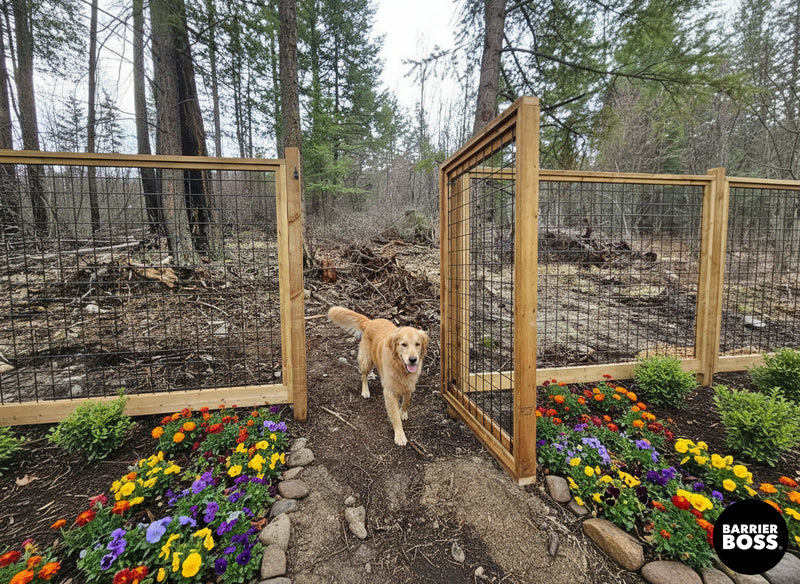
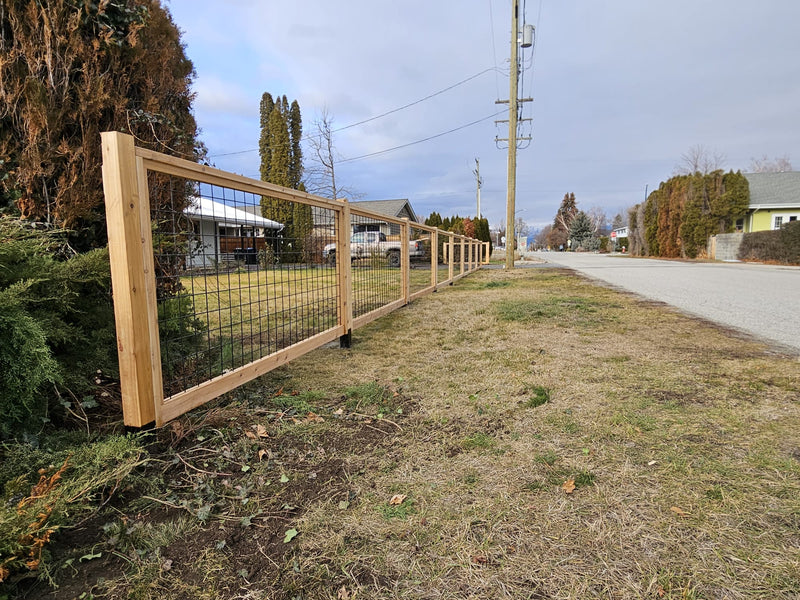
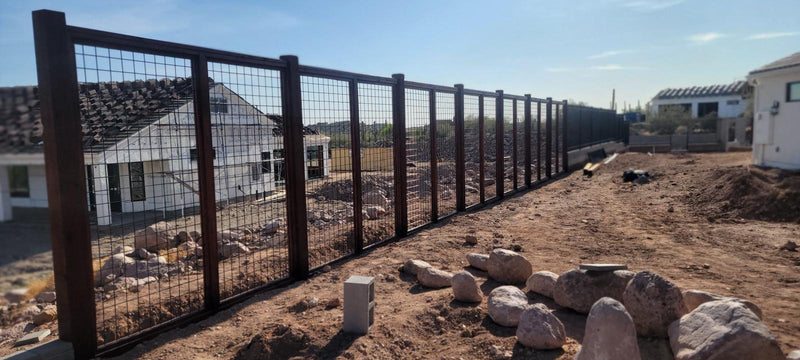
Yes — the rigid 6-gauge welded grid holds its shape against animals and impact without sagging like field fence. The same panels are used for dog runs, garden and livestock enclosures, and in code-height sizes as modern deck-railing infill.
How much does a hog wire fence cost per foot?
For 8 foot wide panels: unframed runs $10.62 per linear foot at 3 feet tall up to $22.50 at 8 feet. Pressure-treated framed is $30.62 to $51.25, and Western Red Cedar $33.75 to $54.37.
What wire opening should I choose for hog wire fence?
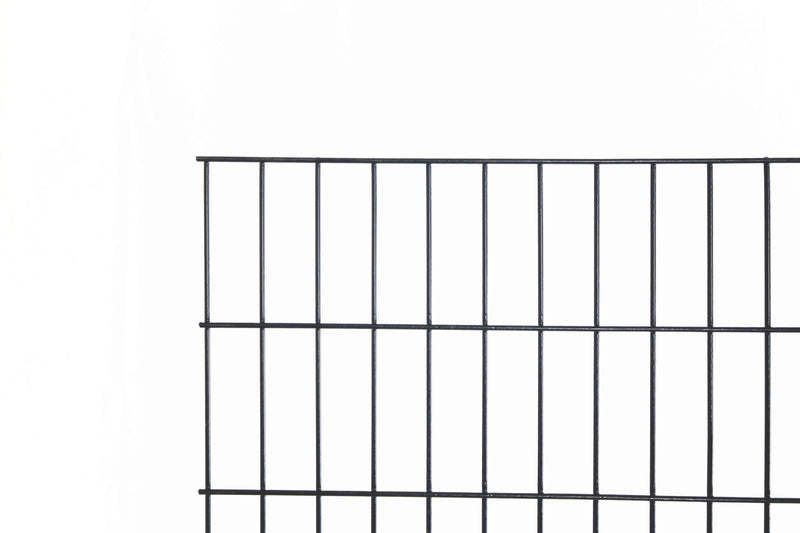
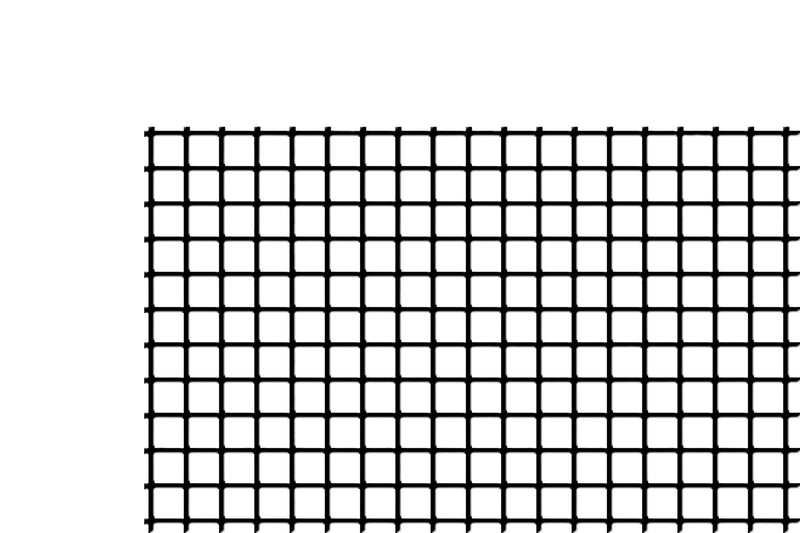
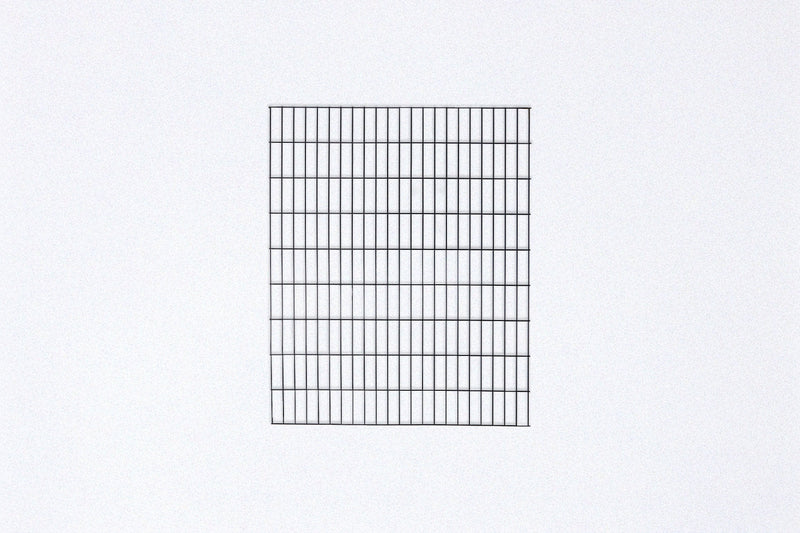
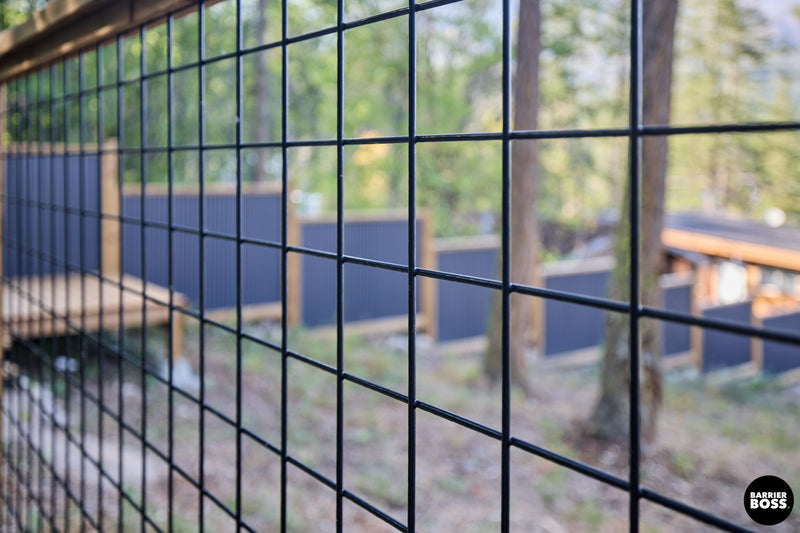
Four inch by four inch is the standard open look. Two by two and one by one hold smaller pets and poultry. Two by six gives a wider horizontal line. All are 6-gauge welded steel.
Does hog wire fencing block the view?
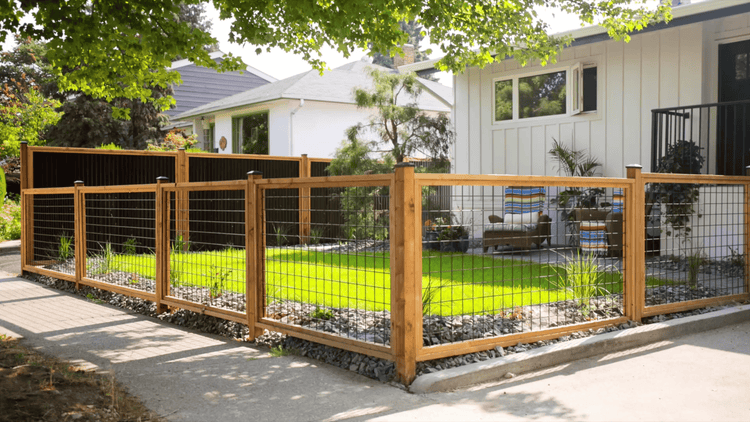
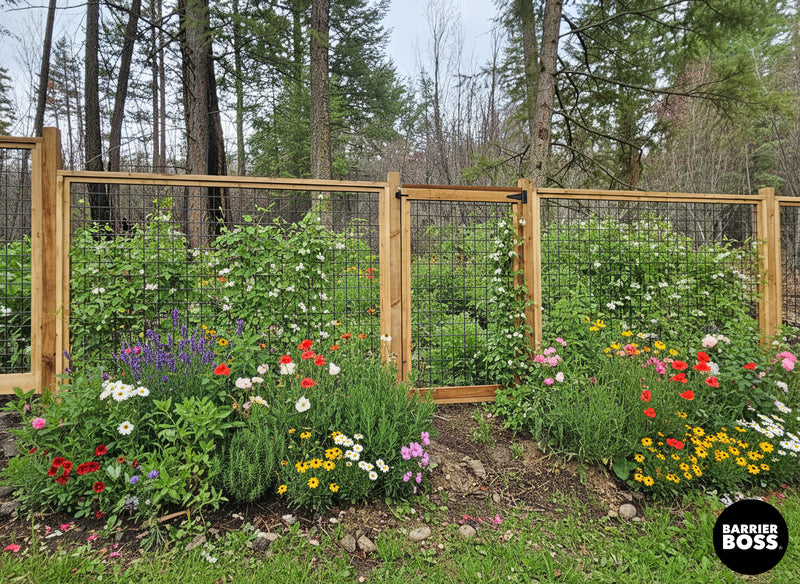
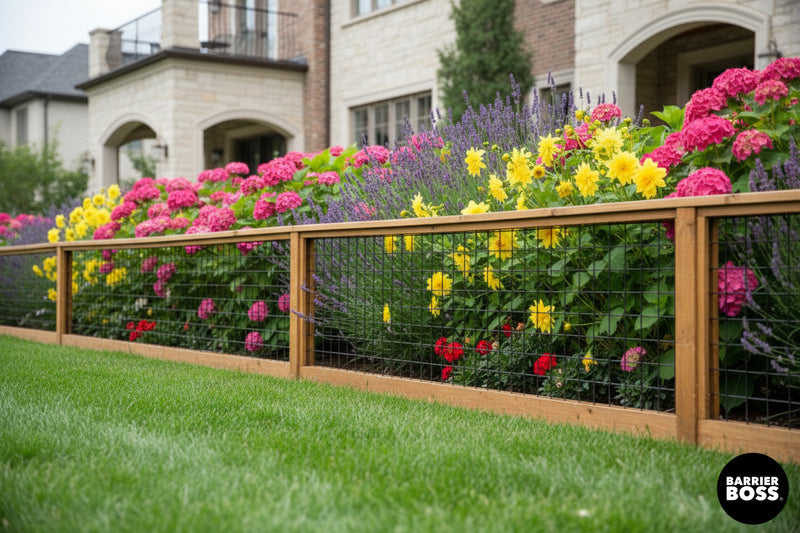
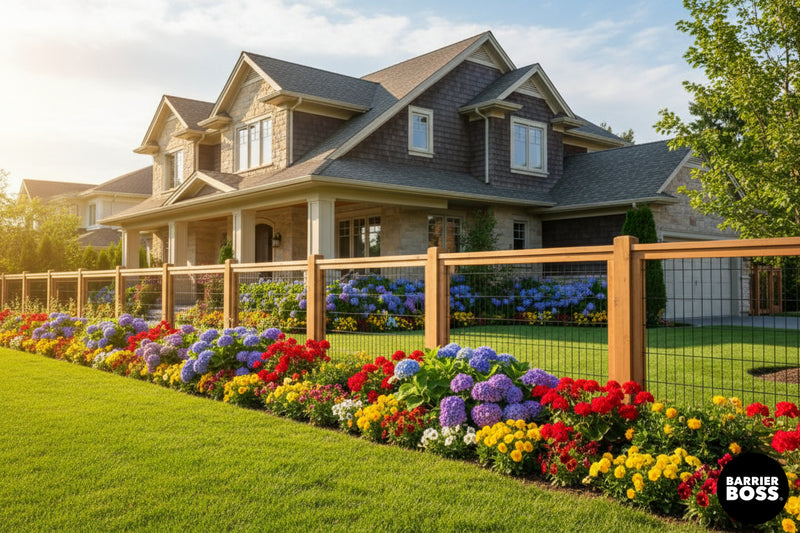
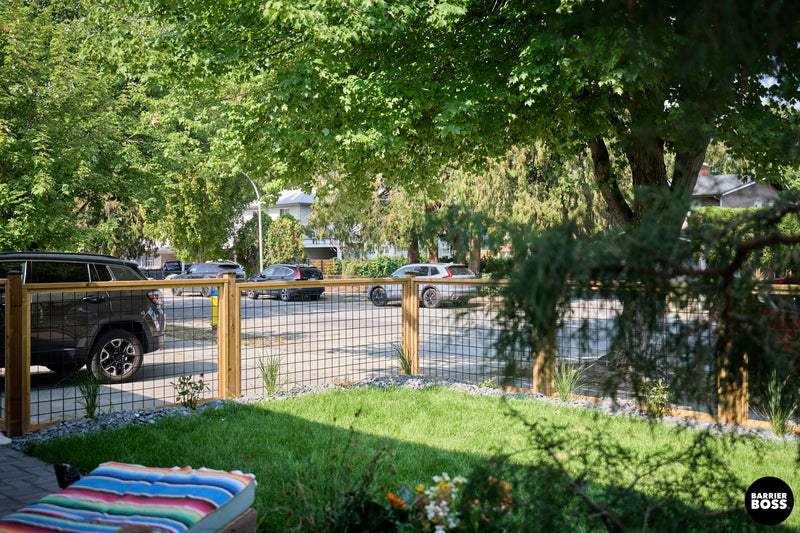
No, and that is the point. The 6-gauge mesh is open, so it keeps sightlines and airflow while still holding a line. Choose corrugated or ribbed panels instead if you want full privacy.
Hog wire or corrugated — which should I choose?
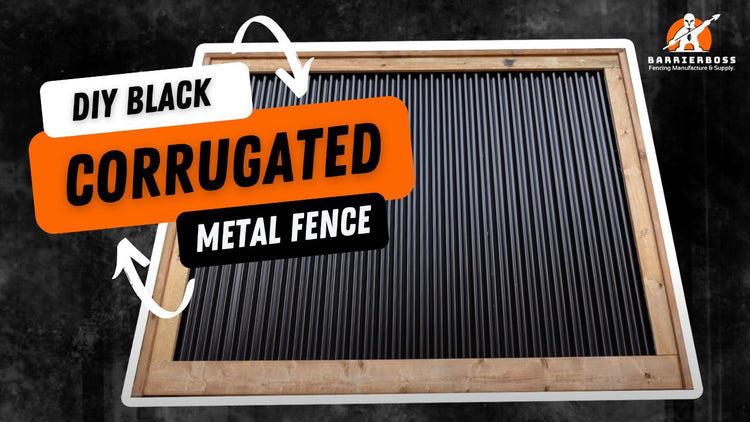
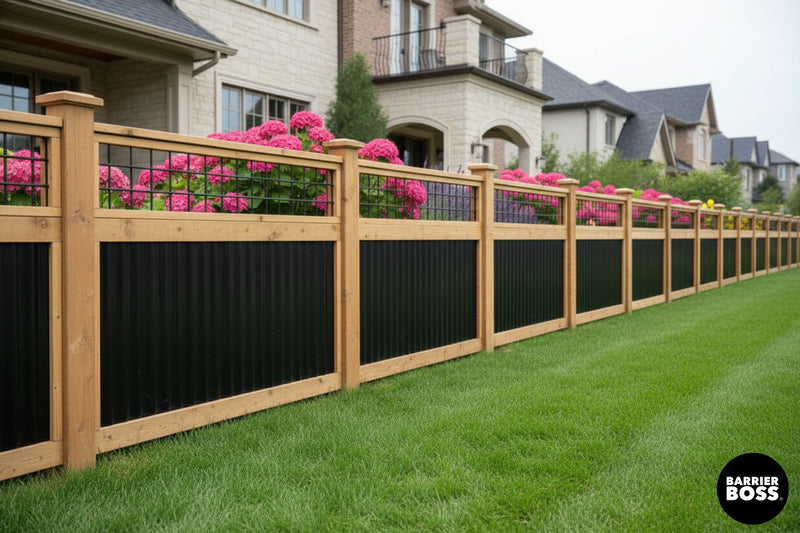
Hog wire keeps the view and the airflow. Corrugated gives full privacy. At 6 feet tall, cedar-framed hog wire is $44.37 per foot against $37.50 for corrugated.
Steel or aluminium fence posts — what is the difference?
Same true 4x4 size and 3mm wall. Steel is about three times stiffer, so it resists bending. Aluminium is a third of the weight and cannot rust below ground.
What gauge is the hog wire mesh?
Six gauge, 4.9mm welded steel — about double the wire of the 9-gauge panels most retailers stock, so it holds its shape instead of sagging.
What are the fence posts made of?
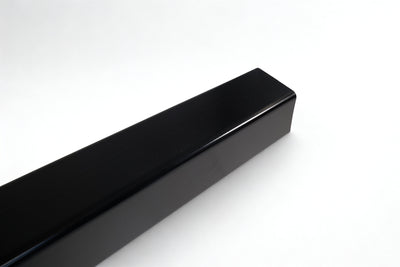
Q235B steel, true 4x4 or 5x5, with a 3mm wall. Zinc coating is 100 g/m2 on the outside face that meets soil and about 50 g/m2 inside.
How much does a hog wire panel weigh?
Between 11.5 and 287 lb depending on size and frame. The smaller unframed panels are a one-person lift; a framed 8x8 needs two people.
What warranty do hog wire panels carry?
Forty years on the steel and wire. The mesh is dip-coated rather than spray-coated, so the finish goes on in full immersion and does not need repainting.
Do the welds rust on hog wire panels?
Not on ours. The mesh is galvanized after welding, then dip-coated. Most panels are welded from pre-galvanized wire, which burns the zinc off at every intersection and leaves bare steel where rust starts.